We are not a registered Medicaid Provider


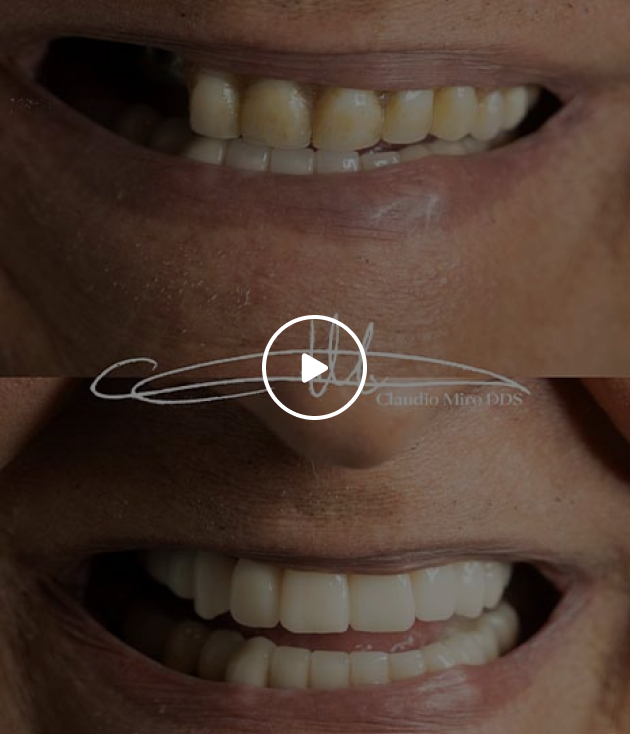
Before
After
Can you explain what dental implants are?
Advancements in healthcare have allowed people to live longer than ever before. While maintaining good oral hygiene is important for preserving natural smiles, there are situations where teeth may not be able to keep up. Dental implants are a solution for tooth loss caused by injury or disease.
A dental implant is an artificial tooth root that is surgically placed into the jawbone. Typically made of titanium, which is compatible with human bone, the implant provides a strong and durable foundation for a replacement tooth. The replacement tooth can be permanently fixed or removable, with permanent teeth offering greater stability and a more natural feel.
Ideal candidates for dental implants are non-smokers with good oral health, sufficient jawbone to support the implant, and healthy gums. By meeting these criteria, individuals can benefit from the rejuvenating effects of dental implants, restoring both their smile and oral health.

Anterior implant for tooth in a day procedure.
Replacing a missing front tooth with a single anterior implant offers a fast solution. The process includes placing a dental implant in the jawbone and attaching a temporary crown on the same day. This enables patients to walk out of the dental office with a fully functional replacement tooth. The procedure restores both aesthetics and function without causing any disruption to daily activities. Patients are provided with a natural-looking temporary crown while the implant fuses with the bone, getting ready for a permanent crown later on. This streamlined approach revitalizes smiles and boosts confidence.
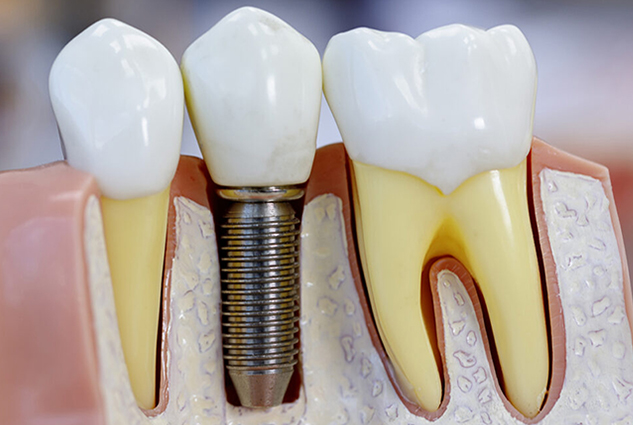
Posterior Single Implant
If you need to replace a missing tooth, a dental implant can restore your mouth's function by replacing the root structure. This can help prevent future complications. The process typically involves several appointments. First, the site is prepared for the implant placement. Then, the implant body is inserted into the bone with a healing cap. After the site heals, a replacement tooth can be placed. Your doctor will monitor the healing process and let you know when the final restoration can be completed.

Bridge vs. Implant: Which is Better?
Watch this video to learn about dental restorations, including bridges and dental implants for replacing missing teeth. We cover the advantages, disadvantages, and cosmetic aspects of each option, as well as potential challenges and factors to consider. Our aim is to equip you with the information needed to make a well-informed decision that suits your oral health objectives. Sit back, unwind, and allow us to lead you through this informative exploration of dental restoration choices.
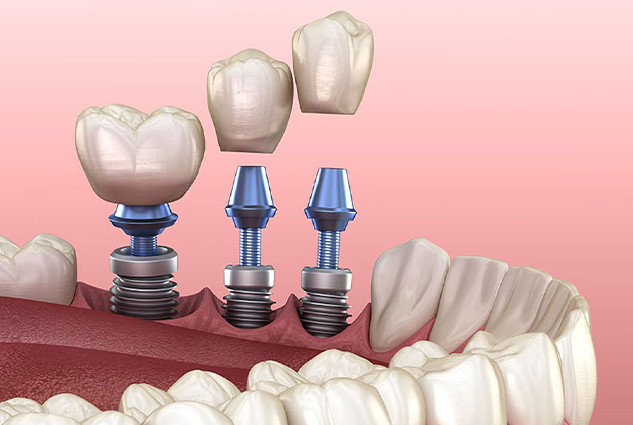
Implants can be done individually or in multiples.
Implants are a versatile option for replacing missing teeth. A single implant can be used to replace a single missing tooth, while multiple strategically placed implants can support a permanent bridge for consecutive missing teeth. For those who have lost all their teeth, implants can secure a full bridge or denture in place permanently. With the right number of implants, individuals can have a stable and fixed dental restoration.
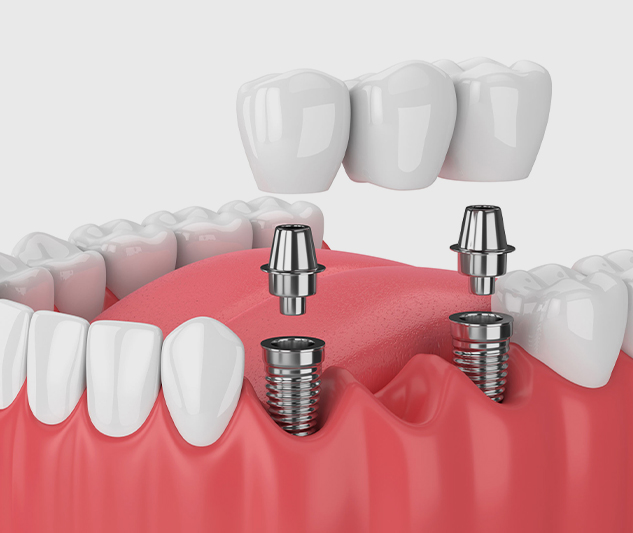
Advantages of Dental Implants Over Dentures or Bridges
Traditional bridges and dentures are often not securely attached to the bone, leading to potential instability that can affect eating and smiling with confidence.
Implants, in contrast, offer a natural appearance and function similar to normal teeth. They provide a stronger biting force and do not rely on adjacent teeth for support, preserving the health of your natural teeth.
Additionally, bridges typically last around seven to ten years, especially if root canals are involved, whereas implants have a much longer lifespan and can often last a lifetime.
Aftercare instructions post-treatment.
Remember to care for your replacement teeth just as you would your natural teeth. This means following a daily routine of brushing and flossing, as well as attending regular checkups. By giving your replacement teeth the same level of attention and care, you can help ensure they stay in good condition for as long as possible.