We are not a registered Medicaid Provider

Teeth Cleaning in Coral Gables, FL


Most people brush and floss every day. Yet millions still develop gum disease. The reason comes down to what happens below the gumline — a space your toothbrush simply cannot reach. Understanding why your gums need professional cleanings below the gumline in Little Havana is the first step toward protecting your long-term oral health. At Miro Dental Centers of Coral Gables, Dr. Claudio Miro helps patients throughout the area stop gum disease before it starts.
What Hides Below the Gumline in Little Havana Patients
Your mouth contains hundreds of bacterial species. Most are harmless, but some form a sticky film called plaque. Plaque clings to teeth and migrates below the gumline quickly. Once it settles beneath the gum tissue, your toothbrush can no longer remove it.
Over time, plaque hardens into tartar — also called calculus. Tartar is far more stubborn than plaque. No amount of brushing breaks it down. Only professional dental instruments can safely remove it from below the gumline.
This process happens in every mouth, regardless of how diligent you are. For Little Havana residents with busy schedules, skipping routine cleanings allows this cycle to advance unchecked. The result is the early foundation of gum disease forming silently beneath the surface.
How Sub-Gingival Bacteria Trigger Gum Disease
The bacteria trapped beneath the gumline do not stay passive. They release toxins that irritate the surrounding gum tissue. Your immune system responds with inflammation. That inflammation is what causes the redness, puffiness, and bleeding many patients notice when they floss.
Left untreated, this early stage — called gingivitis — advances into periodontitis. At that point, the infection starts destroying the bone that supports your teeth. Bone loss is largely irreversible without advanced treatment.
The bacterial cycle below the gumline also connects to broader health concerns. Research links periodontal disease to heart disease, diabetes complications, and respiratory issues. Interrupting this bacterial cycle through professional cleanings protects far more than just your smile.
- Bacteria produce toxins that trigger chronic gum inflammation
- Inflammation weakens the attachment between gums and teeth
- Untreated inflammation leads to bone and tissue destruction
- Systemic health conditions can worsen alongside periodontal disease
Why Professional Cleanings Below the Gumline Are Essential
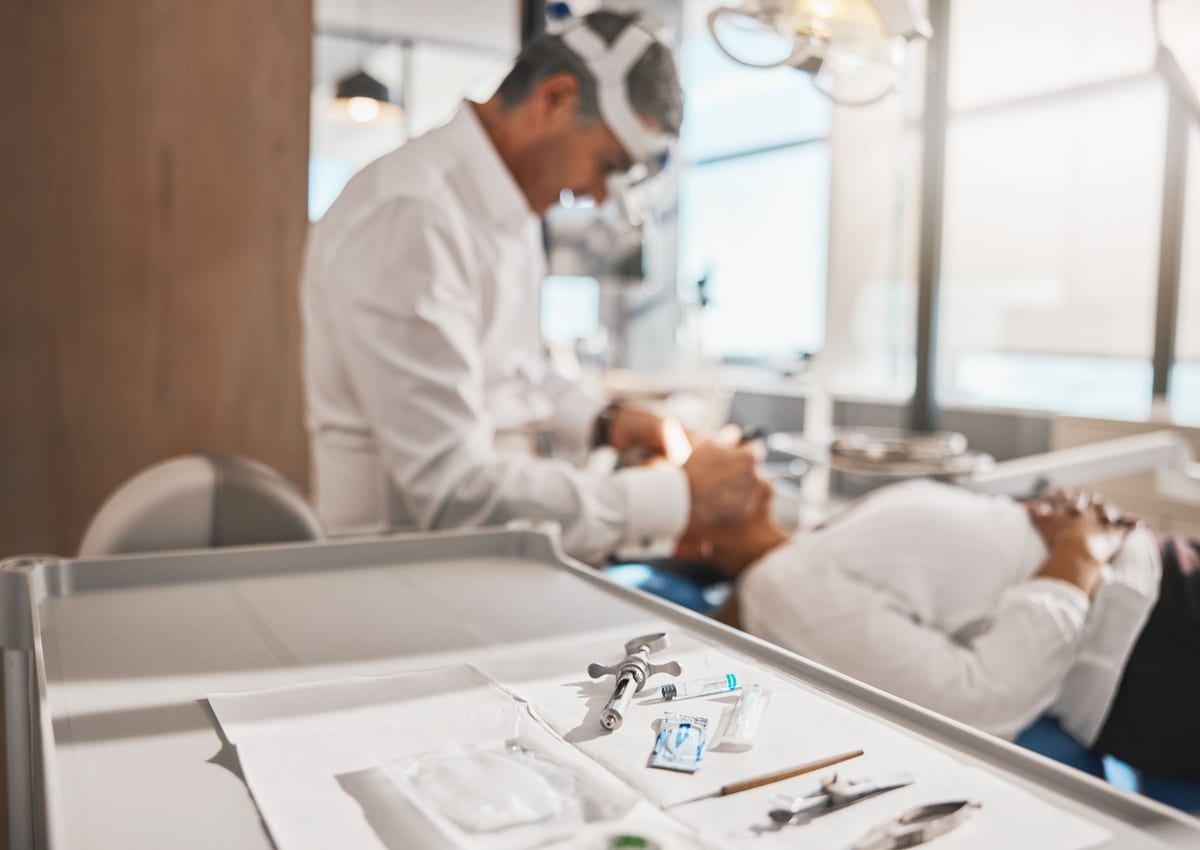
A professional dental cleaning goes far beyond polishing your visible teeth. The hygienist uses specialized instruments called scalers and curettes. These tools reach below the gumline to remove tartar and bacteria from the root surface. This process is called scaling, and it is impossible to replicate at home.
For patients showing early signs of gum disease, Dr. Miro may recommend a deeper cleaning called scaling and root planing. This targets pockets that have formed between the tooth and gum. Smoothing the root surface also makes it harder for bacteria to reattach. Regular professional cleanings prevent these pockets from forming in the first place.
Cleanings also allow your dental team to monitor changes over time. Early detection is critical. Catching gingivitis before it progresses saves you from more complex procedures down the road — including the possibility of Root Canals caused by advanced infection spreading into the tooth pulp.
- Removes hardened tartar that home care cannot address
- Clears bacteria from below the gumline to reduce inflammation
- Smooths root surfaces to discourage future bacterial buildup
- Provides a baseline for tracking gum health over time
- Allows early identification of pockets, recession, or bone changes
What to Expect During a Subgingival Cleaning Visit
Many patients feel nervous about what a professional cleaning involves. The process is straightforward and designed for your comfort. Here is a general overview of what happens during a thorough cleaning appointment at Miro Dental Centers:
- Health history review: Your hygienist reviews any changes to your health since your last visit.
- Gum pocket measurements: A small probe measures the depth of space between your gums and teeth.
- Scaling above and below the gumline: The hygienist removes plaque and tartar using hand instruments or an ultrasonic scaler.
- Root planing if needed: For deeper pockets, the root surface is smoothed to support reattachment.
- Polishing and fluoride: The visible surfaces are polished and a fluoride treatment protects enamel.
Most patients experience minimal discomfort. A topical numbing gel can ease any sensitivity during the process. The appointment typically takes 45 to 60 minutes depending on your gum health status.
How Often Little Havana Residents Should Schedule Cleanings
For most healthy adults, professional cleanings every six months interrupt the bacterial cycle effectively. However, patients with active gum disease often benefit from more frequent visits — every three to four months. This schedule prevents bacteria from reestablishing themselves in pockets between visits.
Certain factors increase your risk of sub-gingival bacterial buildup. These include smoking, diabetes, dry mouth, hormonal changes, and a family history of gum disease. Dr. Miro evaluates these factors and recommends a cleaning frequency tailored to your needs.
Building this habit early makes a lasting difference. Introducing children to routine cleanings through Pediatric Treatment Education helps establish healthy gum care patterns that carry into adulthood. Prevention at every age is the most effective strategy against gum disease.
Protecting Your Gum Health Starts With One Appointment
Gum disease does not announce itself with pain at first. By the time symptoms become obvious, significant damage may already exist. Professional cleanings below the gumline are not optional maintenance — they are a proven, necessary interruption to a harmful bacterial cycle.
The Little Havana community deserves accessible, thorough dental care that takes gum health seriously. At Miro Dental Centers of Coral Gables, Dr. Claudio Miro and his team provide compassionate, expert cleanings designed to protect your gums at every level. Do not wait for symptoms to appear. Book Now to schedule your appointment with our team.
Frequently Asked Questions
Why do my gums bleed during cleanings if I brush every day?
Bleeding gums during a cleaning usually signal inflammation caused by bacteria below the gumline. Even consistent brushing cannot remove tartar that has hardened beneath the gum tissue. The inflammation triggering that bleeding is an early warning sign of gingivitis. Professional cleanings remove the source and allow the gum tissue to heal.
How is a deep cleaning different from a regular cleaning?
A regular cleaning addresses plaque and tartar above and just below the gumline. A deep cleaning — also called scaling and root planing — targets deeper pockets where bacteria have accumulated around the root surface. It is typically recommended when gum pockets measure 4 millimeters or deeper. The goal is to halt active gum disease and promote tissue reattachment.
Is it normal to have sensitivity after a cleaning below the gumline?
Some sensitivity after a subgingival cleaning is completely normal. The gum tissue may feel tender for a day or two as it begins to heal. Using a soft-bristled toothbrush and sensitivity toothpaste helps during recovery. Any significant or prolonged discomfort should be reported to your dental team.
Can gum disease come back after a professional cleaning?
Yes, gum disease can return without consistent maintenance. Bacteria naturally recolonize below the gumline over time. Sticking to your recommended cleaning schedule — whether every three, four, or six months — is the most effective way to prevent recurrence. Good home care between visits also plays a critical supporting role.
At what age should children start getting subgingival cleanings?
Children benefit from professional cleanings as soon as their baby teeth emerge. Routine cleanings during childhood focus primarily on plaque removal and habit formation. As permanent teeth develop, the hygienist monitors gum pockets more closely. Early education through programs like pediatric dental care helps children understand why gum health matters for life.