We are not a registered Medicaid Provider

When Should Your Child See an Orthodontist? Signs Parents Miss


Many Hialeah parents wonder when should your child see an orthodontist and what signs parents miss before problems grow. The answer often surprises families. Orthodontic issues can begin long before adult teeth arrive. Catching them early can save your child from more complex treatment later.
At Miro Dental Centers of Hialeah, Dr. Claudio Miro works closely with parents to identify developing bite and spacing concerns. This guide will help you understand what to watch for at home. It will also explain what a Phase 1 orthodontic evaluation actually involves.
Why Orthodontic Timing Matters for Hialeah Children
Many parents assume orthodontic care starts with teenagers. That assumption leads to missed opportunities for early correction. The American Association of Orthodontists recommends a first evaluation by age seven. At this age, enough adult teeth have emerged to reveal meaningful bite patterns.
Children in Hialeah grow up with busy family schedules. It is easy to delay dental visits when no obvious pain exists. But orthodontic problems rarely cause discomfort in their early stages. By the time symptoms appear, more intensive treatment may be needed.
Early intervention can guide jaw growth actively. It can also create space for permanent teeth coming in. Acting during key developmental windows reduces the chance of tooth extractions later. That is a significant benefit most parents do not realize until it is explained to them.
Early Warning Signs Parents Often Miss in Hialeah Kids
You do not need a dental degree to notice potential orthodontic concerns. Many warning signs are visible during everyday moments. Watch your child while they eat, speak, and rest. These observations can give Dr. Miro valuable information at your next visit.
Here are common early signs that warrant a professional evaluation:
- Mouth breathing or snoring during sleep
- Difficulty chewing or biting food properly
- Baby teeth falling out much earlier or later than expected
- Teeth that appear crowded, overlapping, or widely spaced
- Thumb sucking or pacifier use past age four
- Jaw shifting or clicking when opening and closing
- Speech difficulties or a lisp that persists
Any one of these signs alone does not confirm an orthodontic problem. However, it does justify scheduling an evaluation. Early identification allows the dentist to monitor development closely. That monitoring is key to well-timed, effective treatment.
What a Phase 1 Orthodontic Evaluation Actually Looks For
Phase 1 orthodontic care typically happens between ages six and ten. It focuses on structural issues that affect jaw and facial development. Not every child needs Phase 1 treatment. But the evaluation itself is always worthwhile at this stage.
During a Phase 1 evaluation, the provider assesses several specific areas:
- Skeletal alignment — How the upper and lower jaws relate to each other
- Bite pattern — Whether an overbite, underbite, crossbite, or open bite is forming
- Tooth spacing — Whether there is adequate room for permanent teeth
- Eruption sequence — Whether baby and adult teeth are emerging in the correct order
- Jaw symmetry — Whether the jaw develops evenly on both sides
X-rays and digital imaging help paint a full picture. A physical exam observes how the teeth and jaw function together. The goal is not to rush treatment. The goal is to understand what is developing and plan accordingly.
Phase 1 treatment, when recommended, might involve expanders or partial braces. These devices guide growth while the jaw is still flexible. Phase 2 treatment, usually in the teen years, addresses remaining alignment issues. Together, the two phases often produce better outcomes than single-phase treatment alone.
How Pediatric Dental Care Connects to Orthodontic Health
Orthodontic development does not happen in isolation. It connects directly to your child’s overall oral health. Tooth decay, gum problems, and early tooth loss all influence how bite patterns develop. Keeping up with routine dental care is the foundation of healthy orthodontic outcomes.
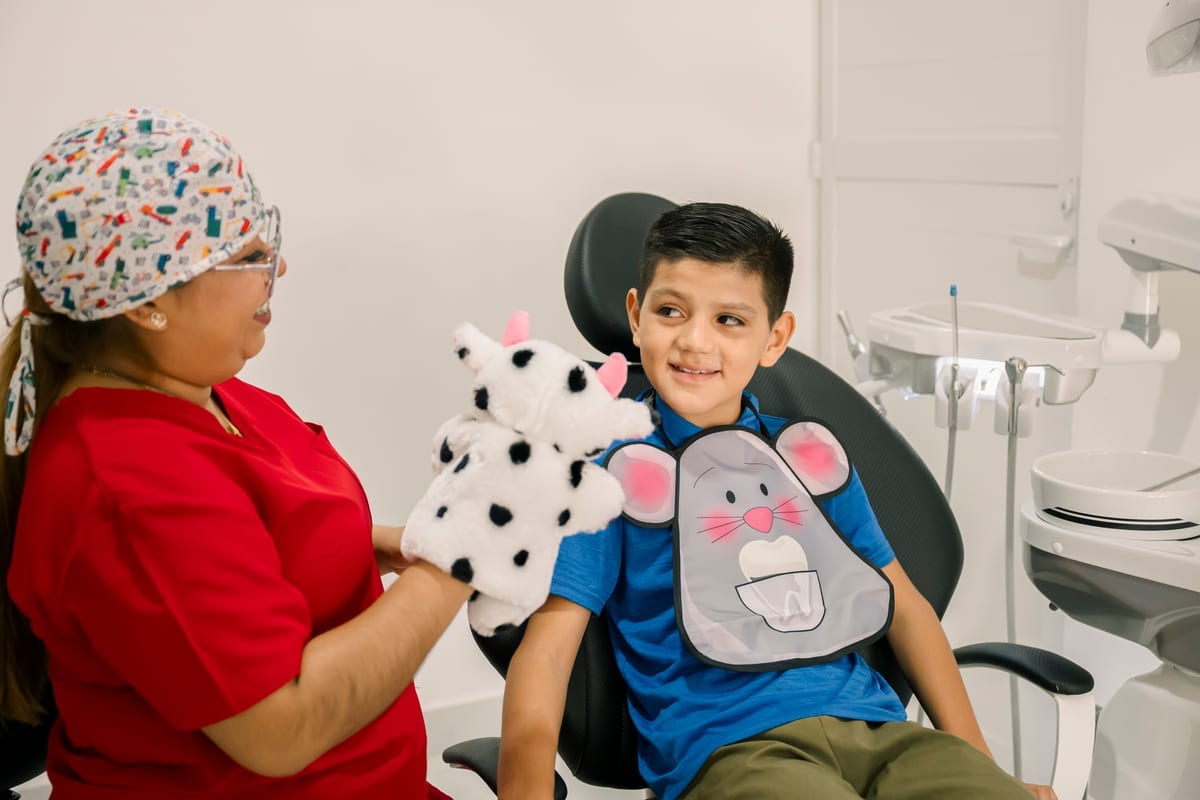
Our Pediatric Treatment Education Hialeah program helps families understand these connections clearly. We educate parents and children together. That education empowers families to support healthy development at home. It also helps children feel comfortable in the dental environment from an early age.
When children feel safe and informed at the dentist, compliance improves. They are more likely to wear appliances correctly and report discomfort promptly. These behaviors make a real difference in treatment outcomes. Building that comfort starts during the earliest dental visits.
Dental problems left untreated can complicate orthodontic care significantly. For example, an infected tooth may require Root Canals Hialeah treatment before orthodontic work can begin safely. Addressing oral health comprehensively protects your child on all fronts. Dr. Miro takes a whole-mouth approach to every young patient.
What to Expect at Your Child’s First Orthodontic Visit at Miro Dental
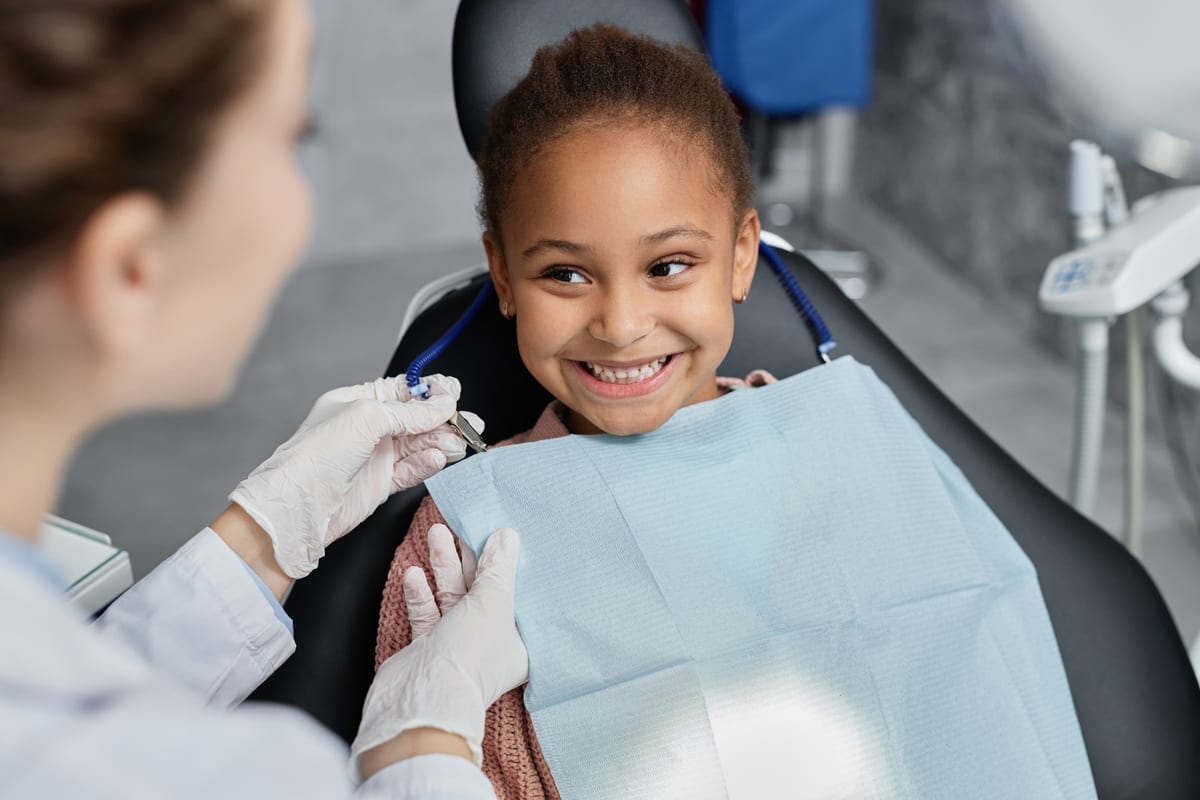
Walking into any dental appointment for the first time can feel uncertain. Knowing what to expect helps parents and children feel prepared. At Miro Dental Centers of Hialeah, we keep the first evaluation relaxed and informative. There is no pressure and no rushed decisions.
Here is a simple overview of what the first visit typically includes:
- A review of your child’s dental and medical history
- A visual exam of teeth, gums, and jaw alignment
- Digital X-rays if not recently taken
- A conversation about any concerns you have noticed at home
- A clear explanation of findings in plain language
- A customized recommendation or monitoring plan
Dr. Miro explains every finding directly to parents. You will leave understanding exactly what was observed and what the next steps are. If no immediate treatment is needed, we schedule monitoring checkpoints. That way, we never miss the right window for intervention.
Hialeah families trust Miro Dental Centers because our team communicates clearly and honestly. We believe informed parents make the best decisions for their children. Our job is to give you the knowledge you need. Your child’s smile does the rest.
Conclusion: Give Your Child’s Smile the Best Start Possible
Orthodontic timing is one of the most important and most overlooked aspects of children’s dental care. The signs are often subtle, and the right window for action is narrow. Waiting until your teenager has a full set of crowded adult teeth is not the ideal approach. Early evaluation gives your child more options and often simpler solutions.
Dr. Claudio Miro and the team at Miro Dental Centers of Hialeah are here to guide your family every step of the way. Whether you have spotted a warning sign or simply want peace of mind, a consultation is the right first move. Do not let uncertainty delay care that could make a meaningful difference. Book Now to schedule your appointment with our team.
Frequently Asked Questions
At what age should my child have their first orthodontic evaluation?
Most orthodontic professionals recommend a first evaluation around age seven. By this age, enough permanent teeth have emerged to reveal developing bite and spacing concerns. Early evaluation does not always mean early treatment. It simply helps your provider monitor growth and plan ahead.
What are the most common orthodontic signs parents miss in young children?
Parents frequently overlook mouth breathing, jaw shifting, and early or late loss of baby teeth. Crowded or overlapping teeth are more visible, but functional signs like chewing difficulty are easy to dismiss. If you notice any of these signs in your child, mention them at your next dental visit.
What is Phase 1 orthodontic treatment and does every child need it?
Phase 1 treatment addresses jaw and bite development during ages six to ten. It may involve palate expanders or partial braces to guide growth. Not every child requires Phase 1 treatment, but every child benefits from a Phase 1 evaluation. The evaluation determines whether early intervention is necessary.
Can regular dental checkups help prevent orthodontic problems?
Yes, routine dental visits play an important role in orthodontic health. Dentists track tooth eruption patterns, jaw development, and early bite concerns over time. Addressing decay and tooth loss promptly also protects the spacing needed for permanent teeth. Consistent care creates the best foundation for a healthy bite.
How does Dr. Miro approach orthodontic concerns at Miro Dental Centers of Hialeah?
Dr. Claudio Miro takes a comprehensive approach to every young patient. He evaluates bite alignment, jaw development, and overall oral health together. Parents receive clear explanations and actionable recommendations after every visit. The focus is always on education, early detection, and giving each child the best long-term outcome.