We are not a registered Medicaid Provider

Stop Cavities Before They Start: Your Child’s Complete Prevention Guide


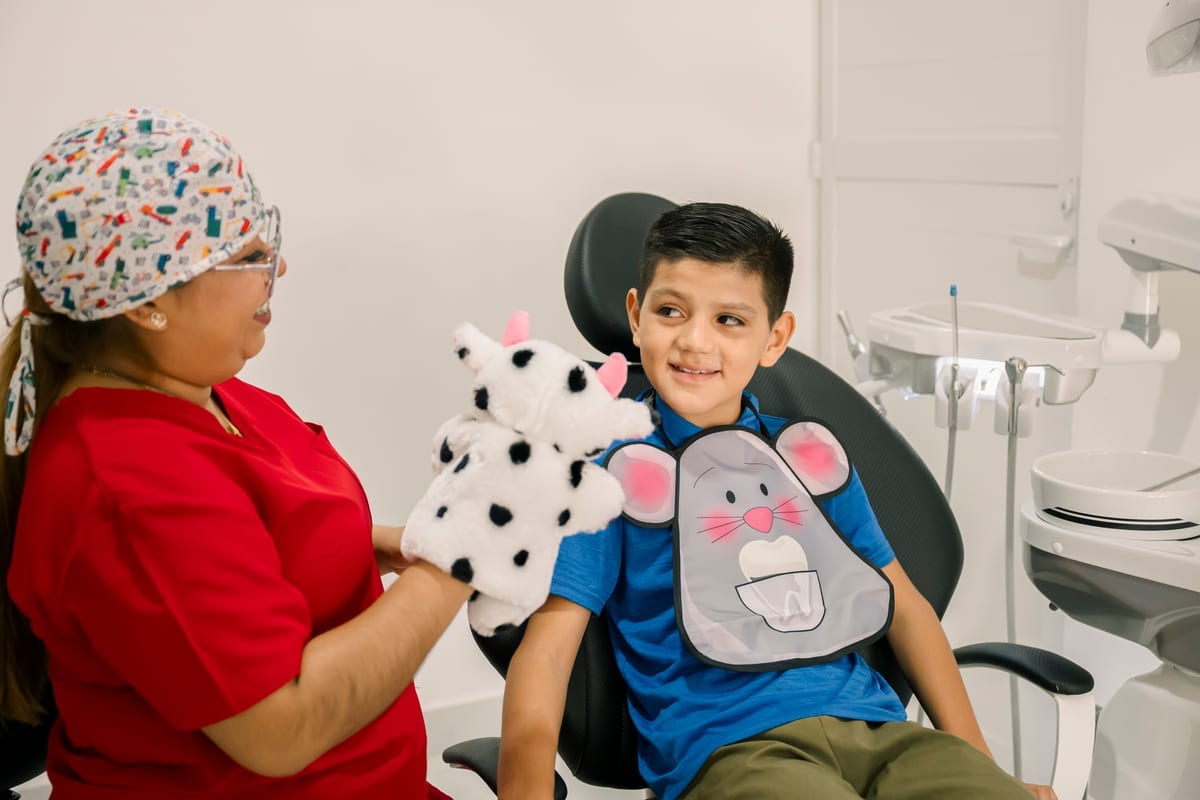
Every parent wants healthy teeth for their child. Yet cavities remain the most common chronic childhood disease in the United States. The good news? You can stop cavities before they start with the right prevention plan. This complete prevention guide for Hollywood families covers everything you need — from brushing technique by age to smart diet choices, fluoride, and dental sealants.
At Miro Dental Centers of Hollywood, Dr. Claudio Miro and our team see children at every stage of dental development. We know prevention works, and we want to help your family build habits that last a lifetime.
Brushing Technique by Age: Getting It Right From the Start
Brushing looks simple, but technique matters enormously for kids. The right approach changes as your child grows. Starting correctly sets the foundation for a lifetime of healthy teeth.
Infants and toddlers (0–2 years): Use a soft, damp cloth or infant toothbrush. Apply a tiny smear of fluoride toothpaste — about the size of a grain of rice. Brush gently twice a day, even before all teeth appear.
Ages 3–5: Increase toothpaste to a pea-sized amount. Children this age need a parent to do the brushing. Use small, circular motions along the gumline and all tooth surfaces.
Ages 6–8: Begin supervised brushing where your child leads and you check. Brush for a full two minutes. Use a timer or a fun app to keep kids engaged.
Ages 9 and up: Most children can brush independently by now. Still check their technique regularly. Electric toothbrushes can be helpful at any age for more thorough cleaning.
- Always use a soft-bristled toothbrush
- Replace the toothbrush every three months
- Brush at least twice daily — morning and before bed
- Floss once a day, starting when teeth touch each other
- Never skip the bedtime brush — overnight is when bacteria cause the most damage
Smart Diet Choices That Protect Your Child’s Teeth in Hollywood
What your child eats directly affects their cavity risk. Sugar feeds the bacteria that cause tooth decay. But it is not just candy — many everyday foods are surprisingly harmful.
Starchy snacks like crackers, chips, and bread break down into sugars quickly. Sticky foods like fruit snacks and dried fruit cling to teeth for hours. Even 100% fruit juice contains high levels of natural sugar that can erode enamel.
Hollywood’s warm climate means kids are often reaching for cold drinks and snacks. Choose water over juice or sports drinks whenever possible. Water hydrates without adding sugar to your child’s teeth.
- Offer cheese, plain yogurt, and milk — they neutralize acid and strengthen enamel
- Choose fresh fruit over dried fruit or juice
- Serve crunchy vegetables like carrots and celery for natural teeth-cleaning
- Limit sticky snacks between meals
- Rinse with water after eating when brushing is not possible
Meal timing also matters. Frequent snacking keeps teeth bathed in acid all day. Try to space meals and snacks so teeth get recovery time between eating occasions.
Fluoride and Dental Sealants: Your Child’s Best Defense
Fluoride is one of the most effective cavity-prevention tools available. It strengthens tooth enamel and makes teeth more resistant to acid attacks. Most Hollywood tap water contains fluoride, which provides a daily baseline of protection.
Your dentist may also apply professional fluoride treatments during check-ups. These concentrated applications give enamel an extra layer of defense. Children at higher cavity risk benefit most from these in-office treatments.
Dental sealants offer another powerful layer of protection. Sealants are thin, plastic coatings painted onto the chewing surfaces of back teeth. These grooved surfaces are the hardest to clean and the most cavity-prone.
The sealant fills in the pits and grooves where food and bacteria hide. The process is quick, painless, and highly effective. Studies show sealants can prevent up to 80% of cavities in back teeth. Dr. Miro typically recommends sealants when a child’s permanent molars come in — usually around ages 6 and 12.
When to Worry: Signs Your Child May Have a Cavity
Even with excellent prevention habits, cavities can sometimes develop. Knowing the warning signs helps you act early before small problems become large ones. Early treatment is always simpler and less invasive.
Watch for these signs that something may be wrong:
- Tooth sensitivity to hot, cold, or sweet foods
- A visible hole, pit, or dark spot on a tooth
- Pain when chewing or biting
- Unexplained toothache, especially at night
- White or brown spots near the gumline
If you notice any of these signs, schedule a dental visit right away. Untreated cavities in baby teeth can affect the adult teeth developing beneath them. In severe cases, deep decay can require Root Canals Hollywood or extractions — outcomes that are easily avoided with timely care.
Never assume a cavity in a baby tooth does not matter because the tooth will fall out. Baby teeth hold space for adult teeth and affect your child’s ability to speak and eat properly.
Regular Dental Visits: The Cornerstone of Cavity Prevention in Hollywood
Home care is essential, but it works best alongside professional dental visits. The American Academy of Pediatric Dentistry recommends a child’s first dental visit by age one. After that, most children benefit from check-ups every six months.
Professional cleanings remove hardened tartar that brushing at home cannot touch. X-rays catch cavities between teeth before they become visible or painful. Dr. Miro and our team assess each child’s individual risk level and tailor prevention plans accordingly.
Our Pediatric Treatment Education Hollywood approach focuses on making each visit comfortable and positive for children. We take time to explain procedures in child-friendly language. A positive dental experience early in life builds confidence and reduces dental anxiety for years to come.
Bringing your child to the dentist regularly also gives parents a chance to ask questions. Every child is different. Some need more fluoride support, some benefit from sealants sooner, and some need extra guidance on brushing. Personalized advice makes a real difference in long-term outcomes.
Conclusion: Start Protecting Your Child’s Smile Today
Preventing cavities is far easier than treating them. By combining age-appropriate brushing techniques, a tooth-friendly diet, fluoride protection, and dental sealants, you give your child the best possible start. Regular check-ups with Dr. Claudio Miro complete the picture. Hollywood families have everything they need to stop cavities before they start — and our team is here to help every step of the way. Book Now to schedule your appointment with our team.
Frequently Asked Questions
At what age should my child first visit the dentist?
The American Academy of Pediatric Dentistry recommends scheduling your child’s first dental visit by their first birthday or within six months of their first tooth appearing. Early visits help establish healthy habits and allow Dr. Miro to identify any early concerns before they develop into bigger problems.
Is fluoride toothpaste safe for toddlers?
Yes, fluoride toothpaste is safe and recommended for toddlers when used in the correct amount. Use a rice-grain-sized smear for children under three and a pea-sized amount for children aged three to six. Always supervise young children to ensure they spit rather than swallow toothpaste.
How long do dental sealants last on children’s teeth?
Dental sealants typically last between five and ten years with proper care. Dr. Miro checks sealants at every routine visit to confirm they remain intact. Sealants that show wear or chipping can be repaired or reapplied to maintain their protective benefits.
What snacks are best for preventing cavities in children?
The best snacks for cavity prevention are low in sugar and high in nutrients. Good choices include cheese, plain yogurt, raw vegetables, nuts, and fresh fruit. Avoid sticky snacks, frequent juice intake, and sugary drinks. Water is always the best beverage choice between meals.
My child has a cavity in a baby tooth — does it really need treatment?
Yes, cavities in baby teeth should be treated promptly. Untreated decay can spread to surrounding teeth and to the permanent teeth developing underneath. Baby teeth also play an important role in speech development and hold space for adult teeth, so keeping them healthy matters significantly.