We are not a registered Medicaid Provider

Porcelain vs. Composite Veneers in Coral Gables, FL


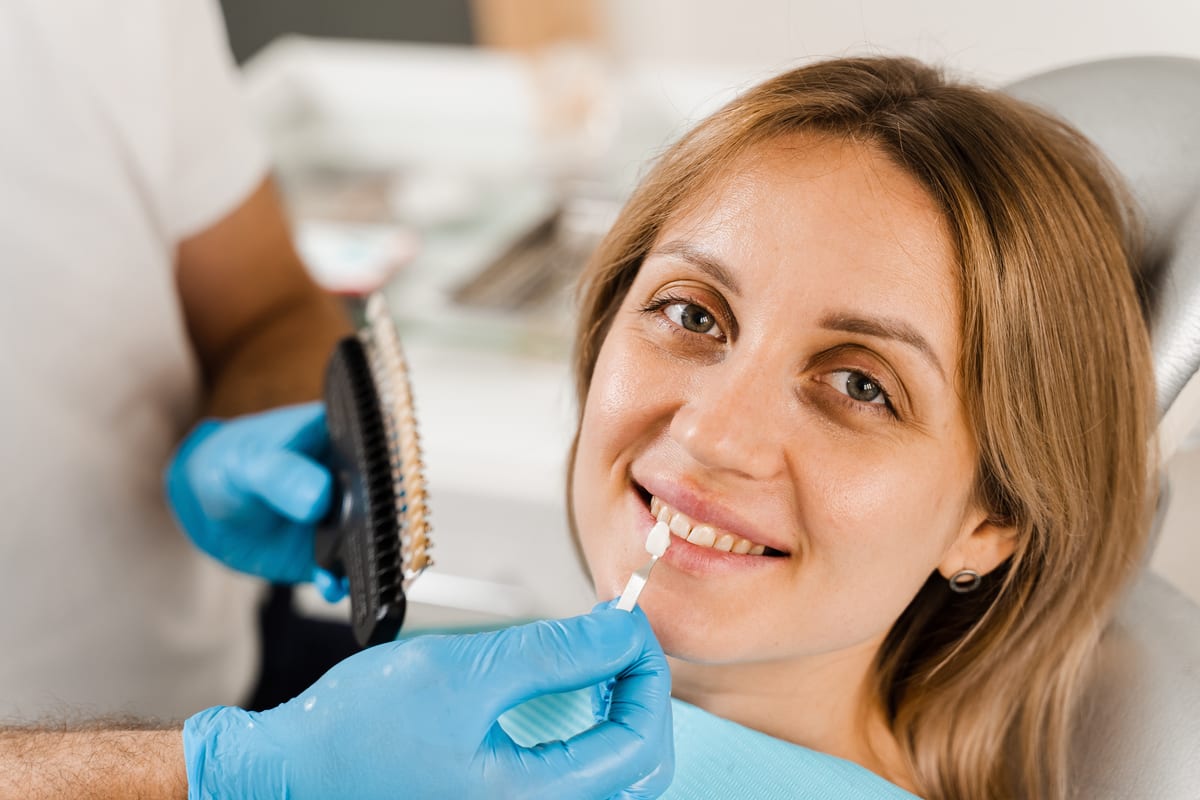
If you live in Coral Terrace and want a more confident smile, veneers are worth exploring. But one question comes up constantly: porcelain vs. composite veneers — which actually lasts longer? The answer depends on more than just the material. It involves your lifestyle, your budget, and your long-term smile goals. Dr. Claudio Miro at Miro Dental Centers of Coral Gables helps patients compare these two popular options every day.
What Are Porcelain and Composite Veneers?
Veneers are thin shells bonded to the front surface of your teeth. They correct chips, cracks, gaps, stains, and uneven shapes. Both porcelain and composite resin versions achieve this goal — but they work differently.
Porcelain veneers are custom-crafted in a dental lab. They require at least two appointments and minor enamel removal. The result is a highly realistic, stain-resistant shell that mimics natural tooth translucency beautifully.
Composite resin veneers are applied directly to the tooth in one visit. Your dentist sculpts and bonds the material by hand. They cost less upfront but behave differently over time than their porcelain counterparts.
Porcelain vs. Composite Veneers: Durability and Longevity in Coral Terrace
When patients in Coral Terrace ask which lasts longer, porcelain typically wins. Porcelain veneers last 10 to 20 years with proper care. They resist staining from coffee, wine, and other common culprits. Their ceramic structure holds up well under normal biting forces.
Composite resin veneers last roughly 5 to 7 years on average. They are more prone to chipping and surface staining over time. However, they can be repaired chairside without replacing the entire veneer. That repairability is a significant advantage for active lifestyles.
Here is a quick comparison of longevity factors:
- Porcelain: 10–20 years, lab-fabricated, highly stain-resistant
- Composite: 5–7 years, chairside application, easier to repair
- Both: Require regular brushing, flossing, and professional cleanings
- Both: May need replacement sooner if you grind your teeth
Aesthetics: How Do They Compare Side by Side?
Porcelain veneers offer a superior aesthetic result in most cases. The material reflects light similarly to natural tooth enamel. This creates a translucent, lifelike appearance that composite cannot fully replicate. For patients seeking a dramatic, long-lasting smile transformation, porcelain is the gold standard.
Composite resin has improved significantly in recent years. Skilled dentists can create natural-looking results with modern composite materials. The color matching is quite good, especially for minor corrections. However, composite tends to lose its polish and brightness faster than porcelain does.
If your priority is the most natural-looking result over the longest period, porcelain wins on aesthetics. If you need a quick cosmetic fix that looks great now, composite delivers strong initial results.
Procedure, Cost, and Repairability: What Coral Terrace Patients Should Know
The procedure differences matter just as much as the materials themselves. Porcelain veneers require two or more visits. Your dentist removes a thin layer of enamel, takes impressions, and places temporary veneers while the lab fabricates the final ones. Once bonded, porcelain veneers are permanent in the sense that enamel removal cannot be reversed.
Composite veneers happen in a single appointment. Your dentist applies resin directly to the tooth, shapes it carefully, and cures it with a special light. No enamel removal is always required. This makes composite a more reversible and less invasive option overall.
Cost is another major difference between the two. Consider these general points:
- Porcelain veneers cost more per tooth due to lab fabrication
- Composite veneers have a lower upfront cost per tooth
- Composite may cost more long-term if replacements are needed sooner
- Porcelain offers better cost-per-year value due to its longer lifespan
Repairability also differs between the two. Chipped or cracked porcelain usually requires full replacement of that veneer. Composite chips, on the other hand, can often be repaired in one short visit. For patients with children or active hobbies, that convenience has real value.
Which Option Is Right for You?
Choosing between porcelain and composite is a personal decision. Your dentist will evaluate your teeth, your bite, and your goals before recommending either option. Both are excellent solutions when placed correctly by an experienced provider.
Porcelain may be the better choice if you:
- Want the longest-lasting result possible
- Have significant staining or multiple teeth to correct
- Prioritize maximum aesthetic realism
- Are comfortable with a multi-visit process
Composite may be the better choice if you:
- Want a faster, single-visit solution
- Need a more budget-friendly starting point
- Prefer a less invasive procedure
- Want the ability to repair individual teeth easily
Dr. Miro and the team at Miro Dental Centers of Coral Gables take time to understand each patient’s unique situation. A thorough exam and honest conversation guide every recommendation. Your smile goals matter, and the right veneer choice depends on your full picture — not just the material.
It is also worth knowing that veneer treatment connects to your broader oral health. Patients with untreated decay or gum disease are not candidates until those issues are resolved. In some cases, patients ask about Root Canals or other restorative care before moving forward with cosmetic work. Families exploring options for younger patients may also find Pediatric Treatment Education a helpful resource on the journey to better dental health.
Conclusion: Make an Informed Choice in Coral Terrace
The porcelain vs. composite veneers question does not have a universal answer. Porcelain lasts longer and looks more natural over time. Composite costs less upfront and is easier to repair when needed. Both options can dramatically improve your smile when chosen thoughtfully. The best decision is one made with an experienced dentist who understands your goals. Book Now to schedule your appointment with our team.
Frequently Asked Questions
How long do porcelain veneers last compared to composite veneers?
Porcelain veneers typically last 10 to 20 years with proper care. Composite resin veneers generally last 5 to 7 years before needing touch-ups or replacement. Factors like teeth grinding, diet, and oral hygiene affect both types significantly.
Can composite veneers be repaired if they chip?
Yes. One of the main advantages of composite veneers is that chips and cracks can often be repaired in a single chairside appointment. Porcelain veneers that chip or crack typically require full replacement of the affected veneer.
Do veneers require removing a lot of tooth enamel?
Porcelain veneers require a small amount of enamel removal to ensure a proper fit. Composite veneers often require little to no enamel preparation, making them a more reversible option. Your dentist will explain exactly what preparation is needed for your specific teeth.
Are veneers a good option if I have existing dental issues?
Veneers are cosmetic restorations, not treatments for decay or gum disease. Any underlying dental problems must be addressed before veneers are placed. Dr. Miro will conduct a full evaluation to confirm your teeth and gums are healthy enough for the procedure.
What is the best way to maintain veneers long-term?
Brush twice daily with a non-abrasive toothpaste and floss regularly. Avoid biting hard objects like ice, pens, or fingernails. Wearing a night guard if you grind your teeth can significantly extend the life of both porcelain and composite veneers.