We are not a registered Medicaid Provider

Invisalign vs Braces in Hialeah, FL


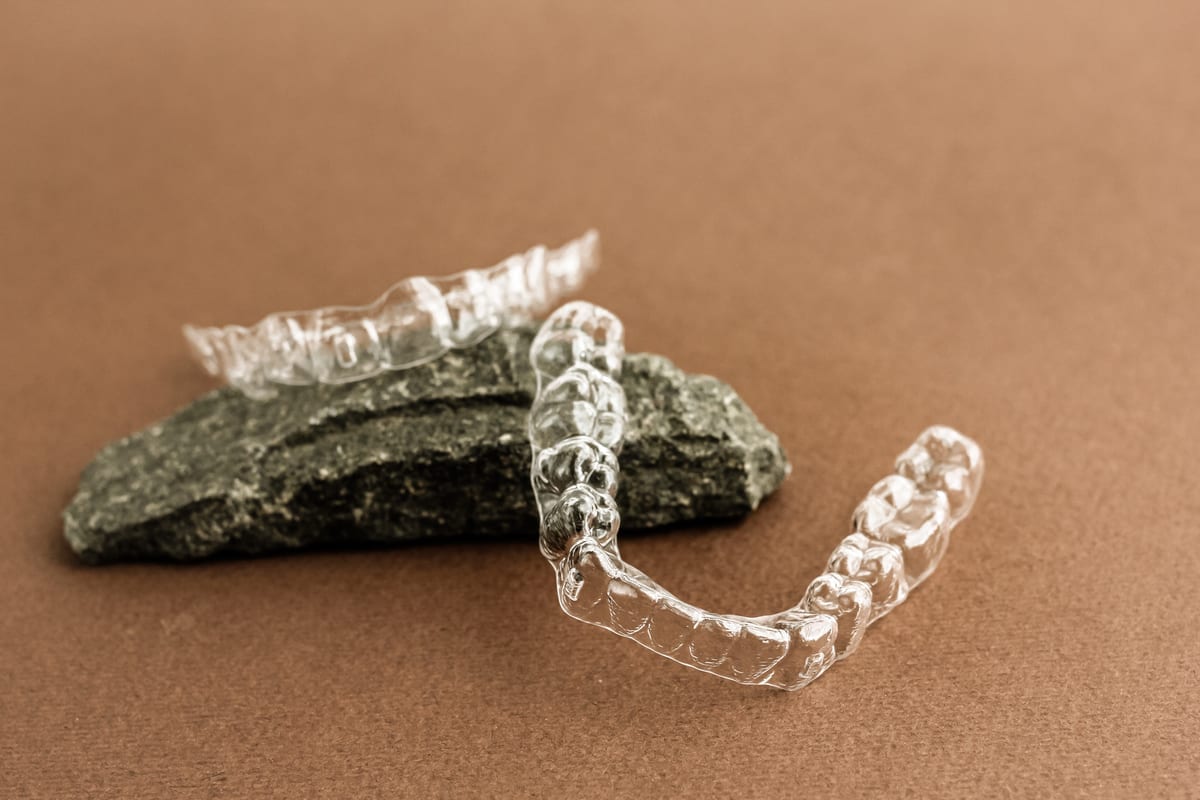
Choosing between Invisalign and traditional braces is one of the most common questions patients ask at Miro Dental Centers of Hialeah. Many people wonder: is your smile problem right for Invisalign or traditional braces in Hialeah? The answer depends on the type, severity, and complexity of your orthodontic issue. Dr. Claudio Miro helps patients understand their options so they can make confident, informed decisions about their care.
Not every smile concern is treated the same way. Some conditions respond beautifully to Invisalign’s clear aligner system. Others require the stronger, more precise control that traditional braces provide. Understanding the difference can save you time, money, and frustration.
What Invisalign Can Effectively Treat in Hialeah Patients
Invisalign uses a series of custom, removable clear aligners to shift teeth gradually. It works well for a wide range of mild to moderate orthodontic issues. Dr. Miro regularly recommends Invisalign for patients who qualify based on their specific dental profile.
Invisalign tends to perform well for these conditions:
- Mild to moderate crowding — when teeth overlap slightly but not severely
- Spacing issues — gaps between teeth that affect appearance and function
- Mild overbite — when upper front teeth close too far over lower teeth
- Mild underbite — when lower teeth sit slightly in front of upper teeth
- Crossbite — when some upper teeth sit inside the lower teeth
- Open bite — when upper and lower teeth don’t fully meet when biting
Invisalign aligners are virtually invisible and removable. This makes them especially popular among teens and working adults in Hialeah who want a discreet treatment option. They also allow patients to eat normally and maintain oral hygiene with ease.
When Traditional Braces Work Better Than Invisalign
Traditional braces use metal or ceramic brackets bonded to teeth, connected by archwires. They give your orthodontist more precise control over complex tooth movements. This makes them the better choice for more severe or complicated cases.
Braces are often recommended when patients have:
- Severe crowding — teeth that are significantly overlapping or rotated
- Severe overbite or underbite — jaw alignment issues that need strong correction
- Large gaps — spacing problems that require more force to close properly
- Significant bite problems — complex occlusion issues across multiple teeth
- Compliance concerns — situations where a non-removable option ensures consistent treatment
Unlike aligners, braces work around the clock without depending on patient compliance. They cannot be taken out, so treatment stays on track every hour of every day. For younger patients or those who may forget to wear aligners, braces often produce more reliable results.
Dr. Miro evaluates each patient’s bite, jaw structure, and tooth positioning before recommending a specific treatment path. No two smiles are exactly alike, and treatment should reflect that reality.
Understanding Crowding and Spacing: Which Treatment Fits?
Crowding and spacing are the two most common reasons patients seek orthodontic care. Both can affect your confidence and your oral health. The right treatment depends on how mild or severe the issue truly is.
Mild crowding is one of Invisalign’s strongest areas. The aligners apply steady, gentle pressure to shift teeth into proper alignment. Most patients with mild to moderate crowding see excellent results with a full Invisalign treatment plan.
Severe crowding, however, often requires more mechanical force. Teeth that are significantly rotated or pushed far out of position may not respond fully to aligner therapy alone. In these cases, Dr. Miro may recommend traditional braces to achieve the most accurate final result.
Spacing issues follow a similar pattern. Small gaps between teeth often close well with Invisalign. Larger spaces, or gaps caused by missing teeth, may require a different approach entirely — sometimes including dental restorations alongside orthodontic care.
Overbite, Underbite, and More Complex Bite Issues in Hialeah
Bite problems — or malocclusions — range from minor to significant. Invisalign has advanced considerably and can now treat many bite issues that previously required braces. However, the severity of the bite problem still guides the recommendation.
A mild overbite can often be corrected with Invisalign using precision attachments — small tooth-colored bumps bonded to teeth to help aligners grip and move them more effectively. These attachments give Invisalign additional control over complex movements.
A severe overbite or underbite may involve both teeth and jaw positioning. In those cases, braces combined with rubber bands or even jaw surgery could be necessary. Invisalign simply cannot apply the same level of force required to correct significant skeletal discrepancies.
Dr. Miro takes digital scans and reviews full records before making any recommendation. This process ensures that your treatment plan is built around your actual anatomy — not a one-size-fits-all approach.
How Dr. Miro Determines Your Candidacy at Miro Dental Centers of Hialeah
The candidacy evaluation process is thorough and personalized. During your consultation, Dr. Miro examines your teeth, bite, gums, and jaw. He reviews digital X-rays and 3D scans to understand the full picture of your oral health.
Your overall dental health also plays a role. Patients with untreated gum disease or significant decay may need to address those issues before starting orthodontic treatment. Conditions like these require care first — which may include treatments such as Root Canals or periodontal therapy — before alignment work begins.
For families with younger children, getting an early evaluation matters too. Pediatric Treatment Education helps parents understand when orthodontic monitoring should begin and what warning signs to watch for. Early intervention can simplify treatment later in life.
Once Dr. Miro has a complete picture of your dental health, he explains all viable options clearly. He walks you through what each treatment involves, how long it typically takes, and what results you can realistically expect. Patients in Hialeah deserve honest, straightforward guidance — and that is exactly what Dr. Miro provides.
Making the Right Choice for Your Smile
There is no single answer that works for every patient. Invisalign is an excellent, life-changing option for millions of people — but it works best when matched to the right clinical situation. Traditional braces remain a powerful and reliable solution for more complex cases.
The most important step you can take is scheduling a professional evaluation. Trying to self-diagnose your orthodontic needs online can lead to incorrect assumptions. A trained dental professional like Dr. Claudio Miro can assess your unique smile and give you a clear, personalized recommendation.
At Miro Dental Centers of Hialeah, the goal is always patient education first. We want you to understand your options, ask questions freely, and feel confident in the direction you choose. Your smile is worth getting it right. Book Now to schedule your appointment with our team.
Frequently Asked Questions
Can Invisalign fix severe crowding or bite problems?
Invisalign can treat many mild to moderate crowding and bite issues effectively. However, severe cases — such as major overbites, significant tooth rotations, or complex jaw misalignment — often respond better to traditional braces. Dr. Miro evaluates each patient individually to recommend the most effective treatment path.
How do I know if I am a good candidate for Invisalign in Hialeah?
The best way to find out is through a professional consultation with Dr. Claudio Miro at Miro Dental Centers of Hialeah. He reviews your bite, tooth positioning, gum health, and jaw structure before making any recommendation. Many adults and teens in Hialeah are good Invisalign candidates and may not realize it.
Are traditional braces faster than Invisalign?
Treatment length varies based on the complexity of your case, not just the type of appliance. Mild cases treated with Invisalign can sometimes be completed in as little as six to twelve months. More complex cases — whether treated with braces or Invisalign — may take longer. Dr. Miro gives each patient a realistic treatment timeline during their consultation.
Can children or teenagers use Invisalign?
Yes, Invisalign offers a Teen version specifically designed for younger patients. However, compliance is important since the aligners are removable. For teens who may not consistently wear their aligners for the recommended 20 to 22 hours per day, traditional braces often deliver more predictable results.
What happens if my teeth need other dental work before orthodontic treatment?
Oral health issues such as cavities, gum disease, or infections must be addressed before orthodontic treatment begins. Dr. Miro coordinates all necessary care at Miro Dental Centers of Hialeah so patients can move through treatment efficiently and safely. A healthy foundation ensures the best possible orthodontic outcome.