We are not a registered Medicaid Provider

Dental Crowns vs. Veneers in Miami, FL


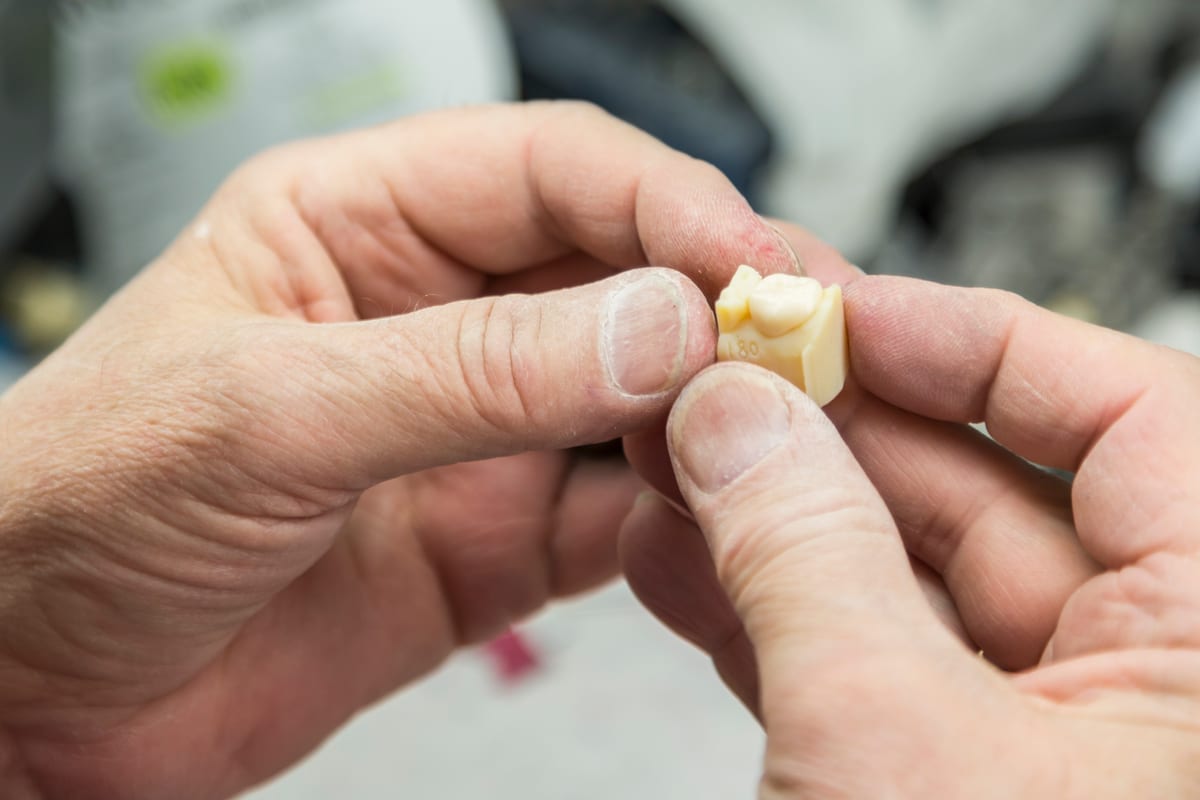
If your dentist in Kendale Lakes has recommended a crown or a veneer, you may wonder why one was chosen over the other. Understanding the difference helps you feel confident in your treatment plan. When it comes to Crowns vs. Veneers: Why Your Dentist Recommends One Over the Other in Kendale Lakes, the answer usually comes down to the health, strength, and location of the tooth. Dr. Claudio Miro at Miro Dental Centers of Kendall helps patients understand these clinical decisions every day.
What Is a Dental Crown and When Is It Used?
A dental crown is a cap that covers the entire visible portion of a tooth. It restores both the shape and the function of a tooth that has been significantly damaged. Crowns are typically recommended when a tooth has lost a large amount of its natural structure.
Your dentist may suggest a crown in situations like these:
- A tooth has a large cavity that a filling cannot adequately restore
- A tooth has cracked or fractured under chewing pressure
- A tooth has just received a Root Canals treatment and needs protection
- A tooth is severely worn down from grinding
- A dental implant needs a final restoration on top
Crowns wrap fully around the tooth. This gives the remaining tooth structure maximum protection. Because of this full coverage, dentists choose crowns when strength and durability are the top priorities.
What Is a Veneer and When Does It Make More Sense?
A veneer is a thin shell of porcelain or composite material. It covers only the front-facing surface of a tooth. Unlike a crown, a veneer does not wrap around the entire tooth.
Veneers work best when the underlying tooth is structurally healthy. The goal is cosmetic improvement, not structural repair. Dentists typically recommend veneers in cases like these:
- Teeth are permanently stained and do not respond to whitening
- Teeth have minor chips or surface-level cracks
- Teeth appear slightly uneven or have small gaps between them
- A patient wants to improve the overall appearance of their smile
Because a veneer removes only a small layer of enamel, the tooth stays largely intact. This is a key reason dentists prefer veneers for cosmetic cases where the tooth is still strong. However, once enamel is removed, the tooth will always need some form of covering going forward.
Crowns vs. Veneers: The Clinical Reasoning Behind the Choice
The decision between a crown and a veneer is not simply about appearance. It is about protecting the long-term health of your tooth. Dr. Miro evaluates each tooth individually before making a recommendation to Kendale Lakes patients.
Here is how the clinical reasoning typically breaks down:
Choose a crown when: The tooth has structural damage, decay, or has undergone a root canal. A crown provides 360-degree coverage and holds the tooth together under pressure. Without a crown, a weakened tooth is at high risk of fracturing further.
Choose a veneer when: The tooth is healthy and strong, but the patient wants cosmetic changes. Veneers are minimally invasive in comparison. They preserve more of the natural tooth while still delivering a dramatic aesthetic result.
One important distinction is bite force. Back teeth absorb significantly more pressure than front teeth. That is why your dentist almost never places veneers on molars. Veneers simply are not designed to handle that level of force. Crowns are the standard choice for any damaged back tooth.
How Tooth Location and Patient Age Affect the Decision
Where a tooth sits in your mouth matters greatly. Front teeth are more visible and experience lighter biting forces. Back teeth are less visible but endure much stronger forces during chewing.
For front teeth with minor cosmetic concerns, veneers are often the better option. They preserve natural tooth structure and look extremely natural. For front teeth with large chips, deep decay, or post-root canal needs, a crown is still the right call.
Patient age also plays a role in the decision. Younger patients have larger dental pulp chambers inside their teeth. Removing too much enamel for a crown could irritate the nerve unnecessarily. In younger patients with cosmetic concerns, a dentist may prefer a veneer or even a more conservative bonding approach first. Families in Kendale Lakes who want to understand how age affects treatment decisions for their children can explore Pediatric Treatment Education resources for guidance.
What to Expect During Your Consultation at Miro Dental Centers
When you visit Miro Dental Centers of Kendall, Dr. Miro will examine your tooth carefully. He will take X-rays to assess the internal health of the tooth structure. He will also review your bite, your goals, and your overall oral health before recommending a treatment.
You can expect the consultation to cover:
- A full clinical exam of the affected tooth or teeth
- Digital X-rays to check for decay, cracks, or nerve involvement
- A discussion of your cosmetic goals and functional needs
- A clear explanation of why one option fits your situation better
- A transparent breakdown of what each procedure involves
There is no one-size-fits-all answer in restorative dentistry. That is exactly why the consultation matters. Patients in Kendale Lakes deserve a clear explanation, not just a treatment plan handed to them without context. Dr. Miro believes informed patients make better decisions about their own health.
Frequently Asked Questions
Can a veneer be placed on a damaged tooth?
Generally, no. Veneers are designed for teeth that are structurally intact. If a tooth has significant decay, a fracture, or has had a root canal, a crown is almost always the more appropriate and safer choice.
Do crowns look natural compared to veneers?
Yes, modern porcelain crowns look very natural. Both crowns and veneers can be color-matched to your surrounding teeth. The key difference is coverage, not necessarily appearance. A skilled dentist can make either option blend beautifully with your smile.
Is getting a veneer reversible?
No. Because a small amount of enamel is removed to place a veneer, the process is not fully reversible. The tooth will always need a veneer or similar covering afterward. Your dentist will discuss this with you before any preparation begins.
How long do crowns and veneers last?
With proper care, dental crowns typically last 10 to 15 years or longer. Porcelain veneers generally last 10 to 12 years. Good oral hygiene, regular cleanings, and avoiding habits like grinding can extend the life of both restorations significantly.
Should I get a second opinion if I am unsure about the recommendation?
Absolutely. Any reputable dentist will support your right to a second opinion. Understanding why a specific treatment is being recommended helps you feel confident moving forward. Do not hesitate to ask your dentist to walk you through their clinical reasoning step by step.
Choosing between a crown and a veneer is a clinical decision rooted in the health and structure of your specific tooth. Patients in Kendale Lakes can trust Dr. Claudio Miro to explain the reasoning clearly and honestly. Book Now to schedule your appointment with our team.