We are not a registered Medicaid Provider

What Your Hygienist Actually Looks For During a Professional Cleaning



Most patients sit back and assume a cleaning is just polishing. In reality, your hygienist is quietly doing a full investigation of your oral health. Understanding what your hygienist actually looks for during a professional cleaning in Miami can change how you think about these visits. At Miro Dental Centers of Kendall, Dr. Claudio Miro and his team treat every cleaning as a critical diagnostic opportunity — not just a routine task.
The First Step: A Visual and Tactile Examination
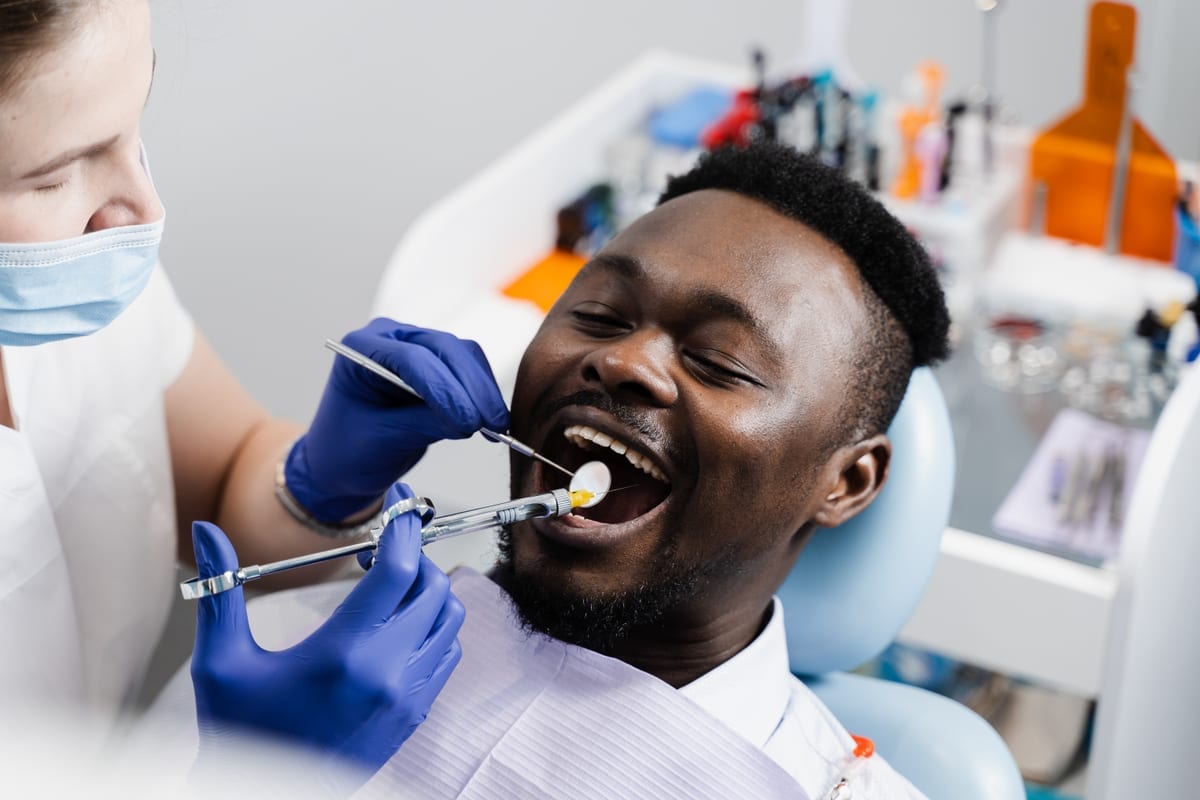
Before any tool touches your teeth, your hygienist begins with a careful visual assessment. They check your gum color, look for swelling, and note any visible buildup or discoloration. This step gives them a baseline for everything that follows.
Next, they gently press along the gumline with their fingers and a probe. They are feeling for tenderness, firmness, and any unusual textures. Healthy gum tissue feels tight and springy. Inflamed tissue feels soft and may bleed with light pressure.
Your hygienist also scans for early signs of oral lesions or abnormal tissue changes. Catching these early matters — especially in Miami, where sun exposure and lifestyle factors can play a role. This visual and tactile check takes only a few minutes but provides critical data.
What Your Hygienist Actually Looks For During a Professional Cleaning in Miami: Pocket Depth Measurements
One of the most important tools your hygienist uses is a small probe with millimeter markings. They slide this gently between each tooth and the surrounding gum tissue. The goal is to measure the depth of each pocket.
Healthy pockets measure between one and three millimeters. Readings of four millimeters or more can indicate early gum disease. Readings above six millimeters often suggest more advanced periodontal issues that need attention.
Your hygienist records these numbers for every tooth. They compare them to your previous visit to track changes over time. A patient whose numbers have increased since their last cleaning will get a different care recommendation than one whose numbers stayed stable.
- 1–3mm pockets: Healthy gum tissue, continue routine care
- 4–5mm pockets: Early gingivitis or periodontal disease, may need more frequent cleanings
- 6mm or more: Advanced disease, may require a deeper cleaning procedure
- Bleeding on probing: A sign of active inflammation in the tissue
- Bone loss indicators: Noted for follow-up X-rays or treatment planning
Scaling, Calculus Removal, and What the Tools Are Doing
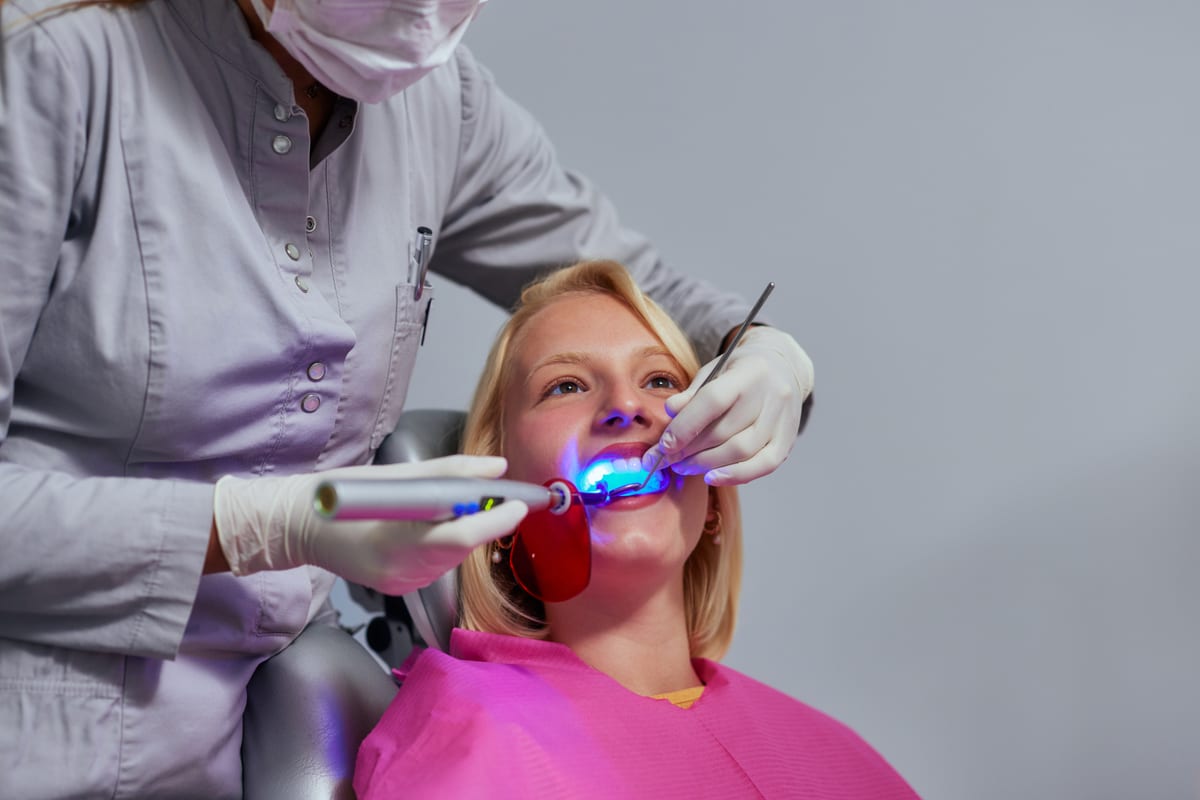
Once the assessment is complete, your hygienist begins scaling. This is the scraping sound patients often describe as the most intense part of the visit. The tool — called a scaler or curette — removes hardened mineral deposits called calculus, or tartar.
Tartar forms when plaque is not fully removed by brushing. It hardens within 24 to 72 hours and cannot be removed at home. Only a trained hygienist with the right instruments can safely clear it away.
Many practices also use an ultrasonic scaler. This device uses vibration and a water stream to loosen deposits before manual tools finish the job. It is especially effective along the gumline and between teeth. The water spray also flushes bacteria from pockets during the process.
Your hygienist works methodically, section by section. They are not just scraping — they are feeling for rough spots that indicate remaining calculus. A smooth tooth surface after scaling means bacteria have far fewer places to hide and reattach.
- Hand scalers: Used for precision around tight spaces and gum margins
- Ultrasonic scalers: Vibrate at high frequency to break apart heavy deposits
- Curettes: Designed to follow the curve of the root for subgingival cleaning
- Air polishers: Used in some practices to remove surface stains after scaling
Polishing, Fluoride, and the Connection to Your Overall Health
After scaling, your hygienist uses a rotating rubber cup with a gritty polishing paste. This removes surface stains and smooths the enamel. A smooth surface resists plaque buildup better than a rough one.
Polishing is not purely cosmetic. It is a finishing step that reduces bacterial adhesion between visits. However, hygienists skip this step on patients with sensitive enamel and use a lighter-abrasion paste when needed.
Fluoride treatment often follows polishing. Your hygienist applies a concentrated fluoride gel or varnish to strengthen enamel. This is particularly important for patients with higher cavity risk, dry mouth, or early-stage enamel erosion.
Your hygienist also uses this final phase to connect the dots between your oral health and your general health. Gum disease has links to cardiovascular conditions, diabetes, and respiratory health. If your hygienist sees patterns that concern them, they will flag it for Dr. Miro to review before you leave.
What Miami Patients Should Know About Cleaning Frequency
Many Miami residents visit their dentist twice a year and assume that is always the right schedule. For some patients, it is. For others, more frequent visits make a real difference in long-term outcomes.
Your hygienist uses the data gathered during your cleaning to recommend a personalized schedule. Patients with active gum disease often benefit from cleanings every three to four months. This interval keeps bacterial populations from reaching the levels that cause tissue destruction.
Children and teens have unique cleaning needs as well. Baby teeth and newly erupted permanent teeth have specific vulnerabilities. Our team offers Pediatric Treatment Education Miami to help young patients and their families build habits that protect teeth for life.
Some conditions discovered during a cleaning — like deep pockets that do not respond to standard care — require additional treatment. In rare cases, infection can travel from the mouth to the tooth root, making procedures like Root Canals Miami necessary to save the tooth. Catching problems early during a routine cleaning is always the better outcome.
Conclusion: Your Cleaning Is More Than You Think
A professional cleaning at Miro Dental Centers of Kendall is a full-picture health check performed by a trained clinician. Your hygienist measures, probes, scales, and polishes with specific clinical goals in mind. Every observation they make helps Dr. Miro build a more complete picture of your oral and overall health.
Miami patients who understand what happens during a cleaning tend to value their appointments more — and cancel them less. Consistency with professional cleanings is one of the highest-impact habits you can build for your long-term health. Book Now to schedule your appointment with our team.
Frequently Asked Questions
How long does a professional dental cleaning usually take?
Most professional cleanings take between 45 minutes and one hour. Patients with more buildup or deeper pockets may need additional time. Your hygienist will let you know what to expect before they begin.
Is it normal for my gums to bleed during a cleaning?
Light bleeding during probing or scaling is common and does not mean something is seriously wrong. It usually indicates inflammation caused by plaque or tartar buildup. With consistent cleanings, bleeding typically decreases significantly over time.
What is the difference between a regular cleaning and a deep cleaning?
A regular cleaning, called prophylaxis, removes plaque and tartar above and just below the gumline. A deep cleaning, or scaling and root planing, goes further below the gumline to treat periodontal disease. Your hygienist recommends the right type based on your pocket depth measurements and gum health.
How often should Miami residents schedule a professional cleaning?
Most patients benefit from cleanings every six months. However, patients with gum disease, a history of heavy buildup, or other risk factors may need visits every three to four months. Your hygienist will give you a personalized recommendation based on your specific findings.
Can a cleaning appointment detect problems beyond cavities?
Yes. During a professional cleaning, your hygienist and dentist look for signs of gum disease, oral lesions, bite issues, enamel erosion, and even signs that may suggest systemic health conditions. This is one of the key reasons routine visits are so important for your overall well-being.