We are not a registered Medicaid Provider

Jaw Bone Loss Signs in West Miami, FL


Most people in West Miami don’t realize their jaw bone is quietly disappearing. It happens slowly, silently, and without much pain at first. But by the time you notice visible changes, significant damage may already be done. Understanding your jaw bone is shrinking and the five signs you’ve waited too long in West Miami could save your smile — and your ability to chew comfortably for years to come.
At Miro Dental Centers of Coral Gables, Dr. Claudio Miro sees patients every week who waited too long after losing a tooth. The good news is that help is available. The first step is recognizing the warning signs before they become permanent problems.
Why Your Jaw Bone Shrinks After Tooth Loss
Your jaw bone needs stimulation to stay healthy. Tooth roots provide that stimulation every time you bite and chew. When a tooth is lost or extracted, that stimulation disappears immediately. The bone in that area begins to resorb — or shrink — within just a few months.
Studies show patients can lose up to 25% of jaw bone width in the first year after extraction. By year two, that loss becomes even more pronounced. This process is called alveolar bone resorption, and it doesn’t stop on its own.
Many West Miami patients assume they can wait until it feels convenient to address a missing tooth. Unfortunately, every month of waiting makes implant treatment more complex and sometimes more costly.
- Bone loss begins within weeks of tooth extraction
- Up to 25% of bone width can disappear in year one
- Bone height also decreases significantly over time
- Loss accelerates with each additional missing tooth
- Delayed treatment may require bone grafting before implants
Five Warning Signs You’ve Already Waited Too Long in West Miami
These five signs are serious red flags. If you recognize any of them, it’s time to stop waiting and speak with a dental professional right away.
1. Your face looks sunken or older than your age. Jaw bone supports your facial structure. As bone shrinks, your cheeks and lips lose underlying support. Patients often describe looking suddenly older or noticing a hollowed appearance around the mouth. This is a direct sign of significant bone loss.
2. Your remaining teeth have shifted or feel loose. Teeth rely on each other for positional stability. When one tooth disappears, neighboring teeth drift into the gap. This shifting creates bite problems, uneven wear, and sometimes looseness. It can also lead to crowding that complicates future treatment.
3. You avoid certain foods because chewing hurts or feels difficult. Difficulty chewing is one of the most common complaints Dr. Miro hears from patients who delayed care. If you’re cutting out hard, crunchy, or chewy foods, your bite function is already compromised. This affects not just enjoyment but also nutrition and overall health.
4. Your denture no longer fits the way it used to. Dentures rest on top of your gum ridge. As bone shrinks beneath them, the fit loosens. Patients notice slipping, sore spots, and clicking when speaking. A poorly fitting denture is a direct sign that the underlying bone has changed shape significantly.
5. Your dentist mentioned bone grafting is now necessary. If a dentist has told you that a bone graft is required before placing implants, that’s a clear sign bone loss is already advanced. Bone grafting is a successful procedure, but it adds steps and healing time to your overall treatment plan.
The Connection Between Bone Loss and Your Overall Oral Health
Jaw bone loss doesn’t happen in isolation. It creates a chain reaction throughout your entire mouth. Shifting teeth change how your upper and lower jaws meet. This altered bite puts stress on your jaw joints and surrounding muscles.
Patients sometimes develop headaches, jaw pain, or clicking sounds in their joints — symptoms that seem unrelated to a missing tooth. They are often directly connected to uncorrected bone loss and bite changes.
Gum disease can also accelerate bone loss further. If you have both missing teeth and untreated gum inflammation, the deterioration moves faster. Some patients also require Root Canals to address infections in neighboring teeth stressed by bite changes from bone loss.
Children and teens in households where adults delay dental care often develop similar habits. Early education matters, which is why we also offer Pediatric Treatment Education to help families make proactive decisions at every age.
What Happens When You Act Now Instead of Waiting Longer
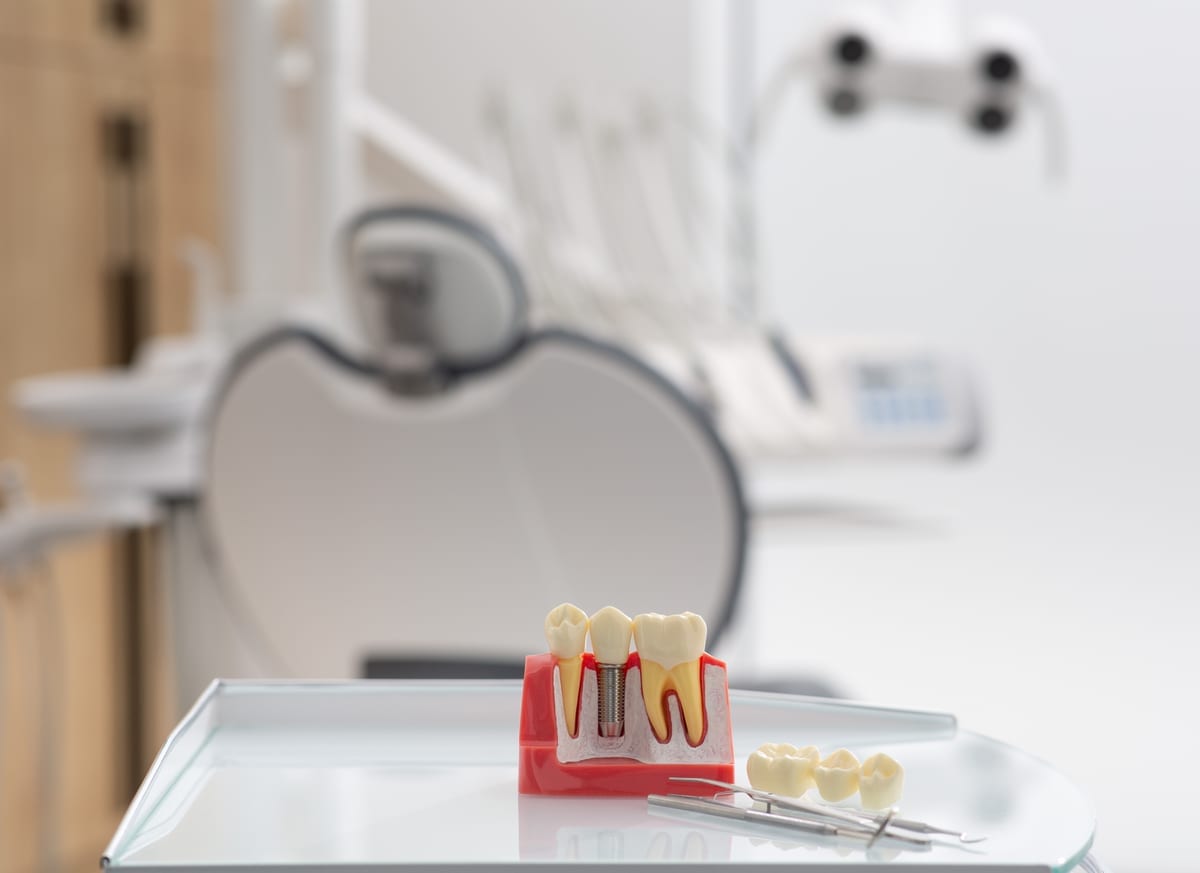
Dental implants remain the gold standard for replacing missing teeth. They mimic the function of a natural tooth root. The titanium post integrates with your existing jaw bone and provides the stimulation needed to prevent further shrinkage.
When bone volume is still sufficient, implant placement is straightforward. Dr. Miro has helped countless West Miami area patients restore their smiles with implants placed directly into healthy bone. Recovery is manageable and the long-term results are remarkable.
- Implants stop bone resorption by restoring root stimulation
- They look, feel, and function like natural teeth
- Adjacent teeth remain stable when the gap is filled
- Facial structure is preserved and supported
- Chewing ability and food choices return to normal
- Long-term success rates exceed 95% with proper care
Acting sooner almost always means a simpler, faster treatment path. Waiting longer often means bone grafting, additional healing time, and more complex procedures before implants can even be placed.
Taking the Next Step From West Miami
If you’ve recognized even one of the five warning signs above, don’t delay another month. Your jaw bone is shrinking, and five signs you’ve waited too long in West Miami are telling you something important. Dr. Claudio Miro and the team at Miro Dental Centers of Coral Gables are ready to evaluate your current bone health and discuss your best options. Book Now to schedule your appointment with our team.
Frequently Asked Questions
How quickly does jaw bone loss happen after a tooth is removed?
Bone resorption begins within just a few weeks of losing a tooth. The most dramatic changes typically occur in the first six to twelve months. Early intervention with a dental implant or bone preservation procedure can slow or stop this process significantly.
Can jaw bone loss be reversed without surgery?
Unfortunately, lost jaw bone does not grow back on its own. Bone grafting is the primary way to rebuild volume in areas of significant resorption. The sooner you address a missing tooth, the less likely you are to need extensive grafting before implant placement.
Is bone grafting painful or dangerous?
Bone grafting is a routine procedure performed regularly at dental offices. Patients receive local anesthesia and often report mild soreness for a few days afterward. The procedure is very safe, and healing typically takes a few months before implant placement can proceed.
Why are my other teeth shifting after I lost one tooth?
Each tooth relies on its neighbors for stability and proper positioning. When one tooth is missing, the surrounding teeth no longer have that support and begin to drift toward the gap. This shifting can worsen over time and complicate future restorative treatment.
How do I know if I still have enough bone for a dental implant?
A dental professional will take cone beam CT scans or detailed X-rays to measure your current bone density and volume. This evaluation tells Dr. Miro exactly how much bone is present and whether grafting is needed before implant placement. Schedule a consultation to find out where you stand.