We are not a registered Medicaid Provider

Dental Veneers Care in Coral Gables, FL


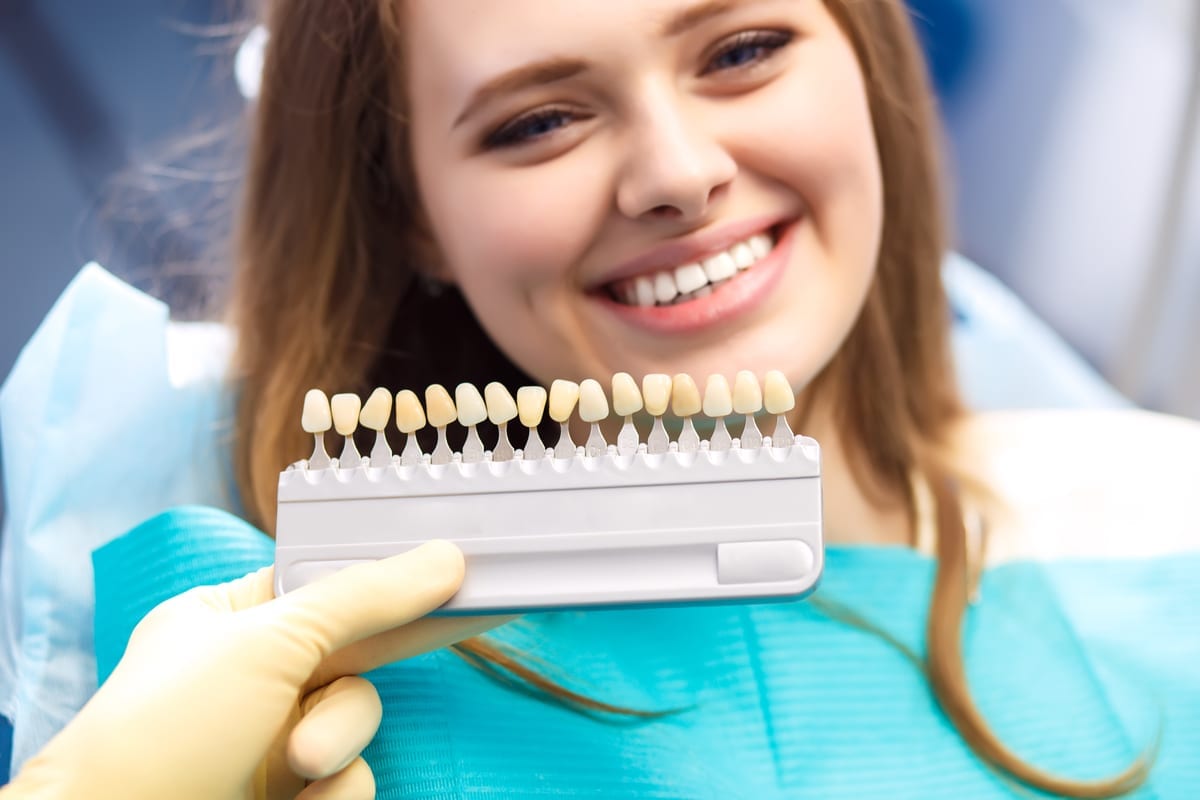
Getting veneers is one of the best investments you can make in your smile. But here is the truth most patients in Coral Terrace need to hear: your new veneers won’t last without these 5 daily habits. Porcelain veneers are strong, but they are not indestructible. Without the right care routine, even the most beautiful smile can chip, stain, or wear down ahead of schedule.
At Miro Dental Centers of Coral Gables, Dr. Claudio Miro works closely with every patient after their veneer placement. He makes sure they leave with a clear, practical plan to protect their results. This guide covers exactly what that plan looks like — starting with the habits you need to build today.
Why Daily Habits Matter for Veneer Longevity in Coral Terrace
Porcelain veneers are bonded to the front surface of your natural teeth. They are designed to mimic the look and strength of enamel. However, they respond differently to daily wear than natural teeth do.
Without intentional care, veneers face real risks every day. Staining beverages can discolor the bonding edges. Hard foods can cause micro-fractures. Grinding and clenching can loosen the adhesive bond over time. Understanding these risks is the first step toward protecting your investment.
Patients in Coral Terrace who commit to consistent daily habits tend to enjoy veneers that last 10 to 15 years or longer. Those who skip proper care often need replacements much sooner. The difference almost always comes down to five key routines.
Habit 1 — Brush Gently With the Right Products
Brushing your teeth twice a day remains essential after getting veneers. However, the products you choose matter a great deal. Abrasive toothpastes can scratch porcelain surfaces and dull their shine over time.
Dr. Miro recommends using a non-abrasive, fluoride toothpaste with a soft-bristled toothbrush. Avoid whitening toothpastes with harsh particles. They do not whiten veneers and can cause surface damage instead.
- Use a soft-bristled manual or electric toothbrush
- Choose a non-abrasive, fluoride toothpaste
- Brush in gentle circular motions — never scrub aggressively
- Floss daily using waxed floss to protect bonding edges
Consistent, gentle brushing keeps your gum line healthy. Healthy gums support the base of each veneer and prevent sensitivity around the bonding area.
Habit 2 — Avoid These Staining and Damaging Foods and Drinks
Your diet plays a huge role in how your veneers age. Certain foods and beverages accelerate wear or cause discoloration at the margins of each veneer. Being mindful of what you consume daily makes a measurable difference.
Staining drinks like coffee, red wine, and dark tea can seep into the cement at the edges of veneers. This creates a yellowed border that is difficult to reverse. If you do enjoy these drinks, rinse your mouth with water immediately after.
- Limit coffee, red wine, and dark sodas
- Avoid biting hard foods like ice, hard candy, or crusty bread directly with veneered teeth
- Do not use your teeth to open packages or bite fingernails
- Cut harder fruits and vegetables into small pieces before eating
- Reduce consumption of highly acidic foods and citrus juices
Nail biting and chewing on pens or pencils are habits that put targeted pressure on veneer edges. These small, repetitive forces can cause chips that require costly repairs. Breaking these habits protects your smile and your wallet.
Habit 3 — Wear a Night Guard if You Grind Your Teeth
Bruxism, or teeth grinding, is one of the most common causes of premature veneer failure. Many patients in Coral Terrace grind their teeth during sleep without even knowing it. The pressure from grinding can crack porcelain and weaken the bond between the veneer and tooth.
Dr. Miro screens every veneer patient for signs of bruxism during the consultation process. If grinding is detected, a custom night guard is strongly recommended before veneers are placed. Wearing one protects your entire investment each night.
A professionally fitted night guard from Miro Dental Centers fits precisely over your teeth. It cushions the forces of grinding and prevents direct contact between upper and lower veneers. Over-the-counter guards are rarely precise enough to offer real protection.
Habit 4 — Stay Consistent With Professional Maintenance Visits
At-home care alone is not enough to keep veneers in peak condition. Regular professional check-ups allow Dr. Miro to monitor the fit, integrity, and appearance of each veneer. Early detection of any issues prevents small problems from becoming expensive ones.
During your routine cleaning appointments, the hygienist uses veneer-safe polishing techniques and tools. Standard cleaning instruments can scratch porcelain if used incorrectly. That is why it is important to always let your dental team know you have veneers.
Dr. Miro also checks the occlusion, or bite alignment, at each visit. If your bite shifts over time, it can place uneven stress on your veneers. Small adjustments made early can add years to the life of your smile. Patients who skip cleanings often develop gum issues that compromise the margins around their veneers.
It is also worth noting that your overall oral health affects more than just your veneers. Conditions requiring treatments like Root Canals can develop in veneered teeth just as in any other tooth. Keeping up with regular visits ensures underlying issues are caught before they threaten your veneers or your comfort.
Habit 5 — Protect Your Veneers During Physical Activity
If you play sports or participate in any contact activities, a custom athletic mouthguard is a must. Even a low-impact collision can chip or crack a veneer. This habit is especially relevant for active adults and younger patients in the Coral Terrace area.
Store-bought mouthguards often do not fit well enough to protect veneers properly. A poorly fitting guard can actually shift your bite or put pressure on veneer edges. A custom guard made by Dr. Miro fits your mouth precisely and moves with your teeth naturally.
Even non-contact activities like cycling or weightlifting can involve jaw clenching. Being aware of this and using a guard during strenuous exercise helps prevent repetitive stress on your veneers. Small protective steps like this make a big difference over years of daily activity.
Bonus Tip — Educate Your Whole Family About Veneer Care
If you have children or family members at home, sharing good dental habits creates a supportive environment. Younger patients benefit greatly from early education, and resources like Pediatric Treatment Education at Miro Dental Centers can help the whole family build strong oral health foundations together.
When everyone at home practices gentle brushing, avoids harmful foods, and attends regular checkups, the entire household benefits. A family that prioritizes dental health together reinforces positive habits every day.
Protecting Your Smile Starts With Simple Daily Choices
Your new veneers are a long-term commitment to your confidence and your oral health. The good news is that protecting them does not require major lifestyle changes. It requires five consistent daily habits — and support from a dental team that understands your goals.
Dr. Claudio Miro and the team at Miro Dental Centers of Coral Gables are here to guide every Coral Terrace patient through the full veneer journey. From placement to long-term maintenance, we are with you every step of the way. Book Now to schedule your appointment with our team.
Frequently Asked Questions
How long do dental veneers typically last with proper care?
With the right daily habits and regular dental visits, porcelain veneers can last between 10 and 15 years or more. The key factors include gentle brushing, avoiding hard or staining foods, wearing a night guard if needed, and attending routine professional cleanings.
Can veneers stain the same way natural teeth do?
Porcelain veneers are highly stain-resistant, but the bonding cement at their edges can discolor over time when exposed to coffee, red wine, and dark beverages. Rinsing with water after consuming these drinks and maintaining regular cleanings helps minimize staining at the margins.
Do I need to change my toothpaste after getting veneers?
Yes, it is recommended to switch to a non-abrasive, fluoride toothpaste after getting veneers. Whitening toothpastes with harsh abrasives can scratch the porcelain surface and reduce its natural luster over time. Dr. Miro can recommend the best options for your specific case.
What should I do if a veneer chips or feels loose?
Contact your dental office as soon as possible if a veneer chips, cracks, or feels loose. Do not attempt to fix it at home. Prompt professional attention can often save the veneer or address the issue before it worsens, especially if caught early.
Is it normal for teeth to feel sensitive after veneer placement?
Mild sensitivity after veneer placement is common and usually resolves within a few days to a couple of weeks. This occurs because a thin layer of enamel is removed during the preparation process. If sensitivity persists or worsens, let Dr. Miro know so the cause can be properly evaluated.