We are not a registered Medicaid Provider

Dental Implants in Coral Gables, FL


Most patients are surprised to learn that dental implants last 25+ years—and what actually determines yours in West Miami comes down to a handful of key factors. Unlike bridges or dentures, implants are designed to become a permanent part of your jaw. With the right care and planning, many patients keep their implants for a lifetime. Understanding what influences that lifespan helps you make smarter decisions from day one.
Why Dental Implants Are Built to Last Decades
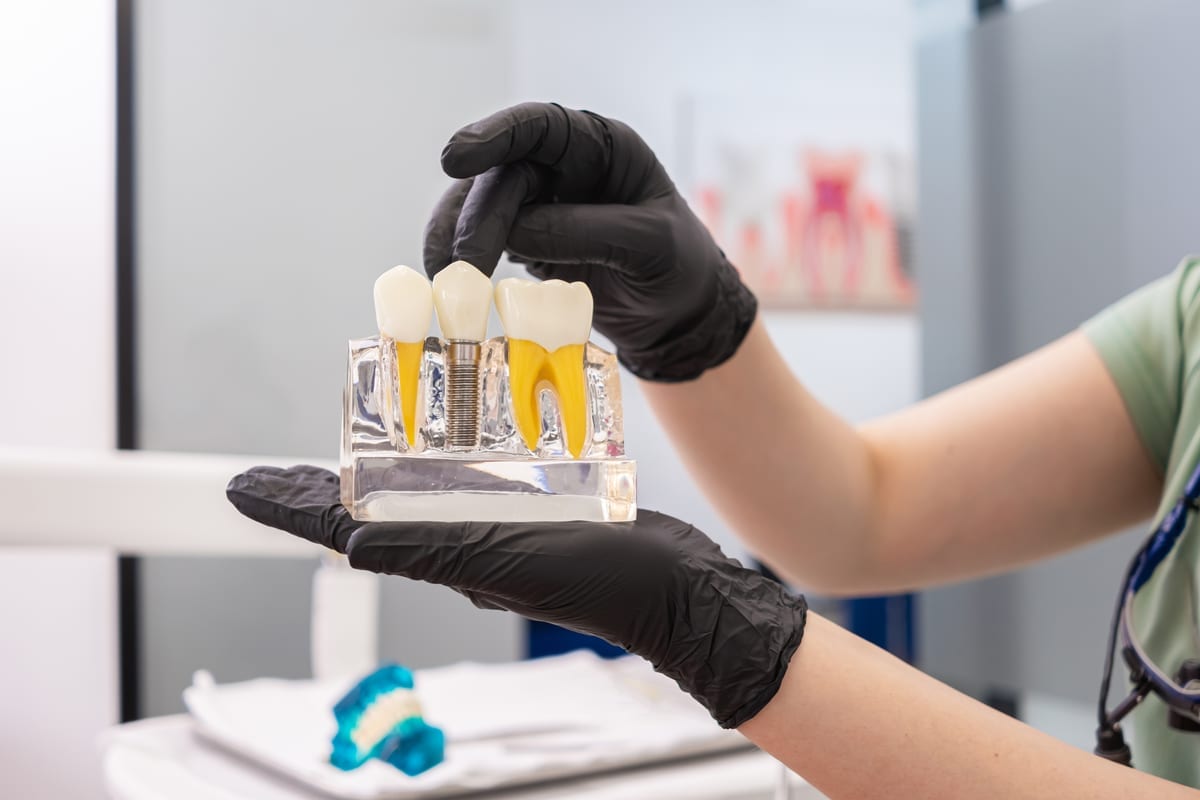
Dental implants are made from titanium, a biocompatible metal that fuses directly with your jawbone. This process, called osseointegration, gives implants their remarkable stability. No other tooth replacement option bonds to the bone the way implants do. That structural foundation is exactly why implants outlast most alternatives.
The implant itself—the titanium post—can last a lifetime with proper care. The crown attached on top typically lasts 10 to 20 years before it may need replacement. Bone health, bite forces, and oral hygiene all affect how long both components hold up. Knowing this distinction helps you plan for long-term success.
West Miami residents benefit from access to experienced implant specialists who understand local patient needs. Dr. Claudio Miro and the team at Miro Dental Centers of Coral Gables bring that expertise to every case. Early planning and accurate placement significantly extend implant lifespan. Starting with a skilled provider is one of the best things you can do.
Key Factors That Determine How Long Your Implants Last in West Miami
Not every implant lasts the same amount of time. Several personal health and lifestyle factors play a major role in longevity. Understanding these gives you real control over your outcome.
- Bone density: Sufficient jawbone supports the implant and prevents early failure.
- Gum health: Gum disease is one of the top causes of implant loss.
- Smoking: Tobacco use significantly slows healing and weakens bone integration.
- Diabetes and systemic conditions: Uncontrolled health conditions can impair healing around the implant.
- Oral hygiene habits: Daily brushing and flossing prevent the bacteria that cause peri-implantitis.
- Bite alignment: Excessive grinding or an uneven bite puts stress on the implant crown.
- Implant placement accuracy: Precise surgical placement reduces mechanical stress long-term.
Many of these factors are within your control. Quitting smoking, managing chronic conditions, and brushing twice daily make a measurable difference. Regular professional cleanings are equally important. Combining good habits with skilled dental care is the winning formula.
What Can Shorten an Implant’s Lifespan—And How to Avoid It
Peri-implantitis is the leading cause of implant failure. It is a bacterial infection that attacks the tissue and bone around the implant. Left untreated, it leads to bone loss and eventually implant loss. The good news is that it is almost entirely preventable.
Neglecting routine dental visits is a common mistake. Early-stage peri-implantitis has no pain, so many patients miss it without professional monitoring. Visiting your dentist every six months allows problems to be caught before they escalate. Consistent check-ups are essential for implant longevity.
Teeth grinding, known as bruxism, is another hidden threat. Grinding puts excessive pressure on the crown and can loosen the abutment over time. A custom night guard can protect your investment while you sleep. Ask your dentist if this applies to you.
Skipping treatment for related dental issues also shortens implant life. For example, untreated infections in adjacent teeth can spread to the implant site. Root Canals on nearby teeth may be necessary to protect an existing or planned implant. Comprehensive dental care supports implant health across your entire mouth.
How to Maximize Your Implant’s Lifespan—Practical Steps That Work
The patients who get the most out of their implants follow a consistent care routine. These habits are simple, but their impact compounds over decades. Here is what the evidence supports for long-term implant success.
- Brush twice daily with a soft-bristle toothbrush.
- Floss daily, using implant-specific floss or a water flosser around the post.
- Schedule professional cleanings at least twice per year.
- Avoid chewing hard objects like ice, popcorn kernels, or pen caps.
- Wear a night guard if you grind your teeth.
- Inform your dentist about any changes in your gum tissue or bite comfort.
- Control systemic conditions like diabetes with your primary care provider.
Diet also plays a supporting role. A diet rich in calcium and vitamin D supports the bone that holds your implant in place. Staying hydrated keeps your oral environment healthier overall. Small lifestyle changes add up to meaningful longevity gains.
Children and teens in the household benefit from good dental habits too. Introducing strong oral hygiene early sets a foundation for lifelong dental health. Resources like Pediatric Treatment Education help families build those habits together. A healthy household is a great environment for any dental investment.
What to Expect During the Implant Process at Miro Dental Centers
Getting implants at Miro Dental Centers starts with a thorough evaluation. Dr. Miro reviews your bone density, gum health, and overall oral condition before recommending a treatment plan. This assessment directly informs how long your implant will last. Personalized planning is where longevity begins.
The placement procedure is typically performed under local anesthesia. Most patients report less discomfort than they anticipated. Healing takes a few months as the implant fuses with the bone. During that period, your dentist monitors integration closely.
Once healed, a custom crown is placed to match your natural teeth. Dr. Miro’s team ensures the bite is balanced to minimize long-term stress on the implant. Follow-up appointments confirm that everything is integrating properly. A well-executed process is the foundation of a 25-year outcome.
Frequently Asked Questions
How long do dental implants actually last?
The titanium implant post can last a lifetime with proper care. The porcelain crown on top typically lasts 10 to 20 years before replacement. With excellent oral hygiene and regular dental visits, many patients keep their implants for 25 years or more.
What is the most common reason dental implants fail?
Peri-implantitis—a bacterial infection around the implant—is the leading cause of implant failure. It is largely preventable through daily brushing, flossing, and twice-yearly professional cleanings. Smoking and uncontrolled diabetes also significantly increase failure risk.
Can I get dental implants if I have bone loss?
Many patients with bone loss can still receive implants after a bone grafting procedure. The graft rebuilds the necessary density to support the titanium post. Dr. Miro evaluates each patient individually to determine the best approach for their bone structure.
Do dental implants require special maintenance?
Implants do not require dramatically different care than natural teeth. Brushing twice daily, flossing around the post, and attending regular cleanings are the core requirements. A water flosser can make cleaning around the implant easier and more thorough.
How soon after a tooth extraction can I get an implant?
In some cases, an implant can be placed the same day as an extraction. In others, the socket needs several months to heal before placement. Dr. Miro will assess your specific situation and recommend the safest and most effective timing for you.
If you are considering implants or want to protect ones you already have, the team at Miro Dental Centers of Coral Gables is here to help. Dr. Claudio Miro works closely with West Miami patients to build treatment plans focused on long-term results. You deserve a solution that lasts—not just for a few years, but for decades. Book Now to schedule your appointment with our team.