We are not a registered Medicaid Provider

Invisalign Attachments & Refinements in Hollywood, FL


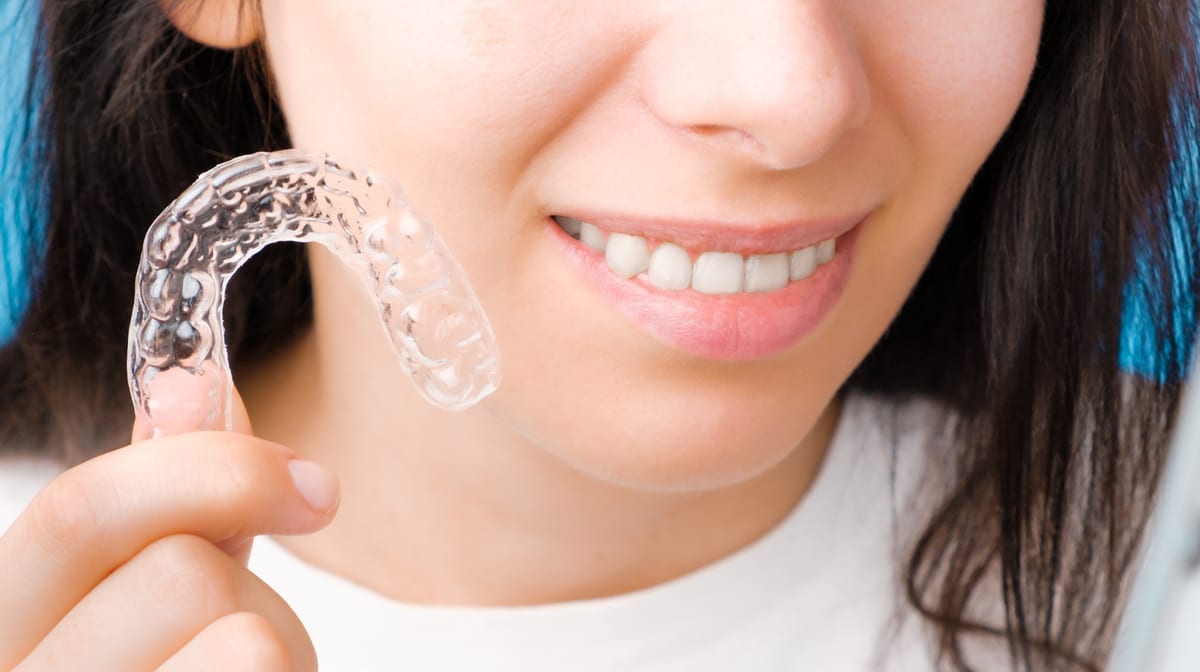
Many patients in Pembroke Pines start Invisalign without fully understanding how it works. You receive a series of clear trays and change them every week or two. But what actually moves your teeth? Understanding Invisalign attachments and refinements — what your aligners actually do — helps you feel confident and stay committed throughout your treatment.
At Miro Dental Centers of Hollywood, Dr. Claudio Miro takes time to walk every patient through the process. An informed patient is an empowered one. Here is a clear, step-by-step breakdown of how Invisalign works from start to finish.
How Invisalign Aligners Move Teeth Step by Step
Invisalign works through a concept called controlled force application. Each aligner is slightly different from the one before it. When you wear a new tray, it places gentle, targeted pressure on specific teeth. Your bone and soft tissue respond to that pressure by slowly shifting the tooth into a new position.
Each aligner in your series is designed to move teeth a fraction of a millimeter. Small movements stack up over time. That is the core science behind every successful Invisalign case.
Here is how the process unfolds from your first appointment:
- Dr. Miro takes digital scans of your teeth using an intraoral scanner
- A 3D treatment simulation maps out every tooth movement in advance
- A custom series of aligners is manufactured based on that plan
- You wear each tray for one to two weeks before switching to the next
- Progress check appointments confirm your teeth are tracking correctly
Every step is planned before you even receive your first tray. That level of precision is what makes Invisalign so effective for Pembroke Pines patients.
What Are Invisalign Attachments and Why Do You Need Them?
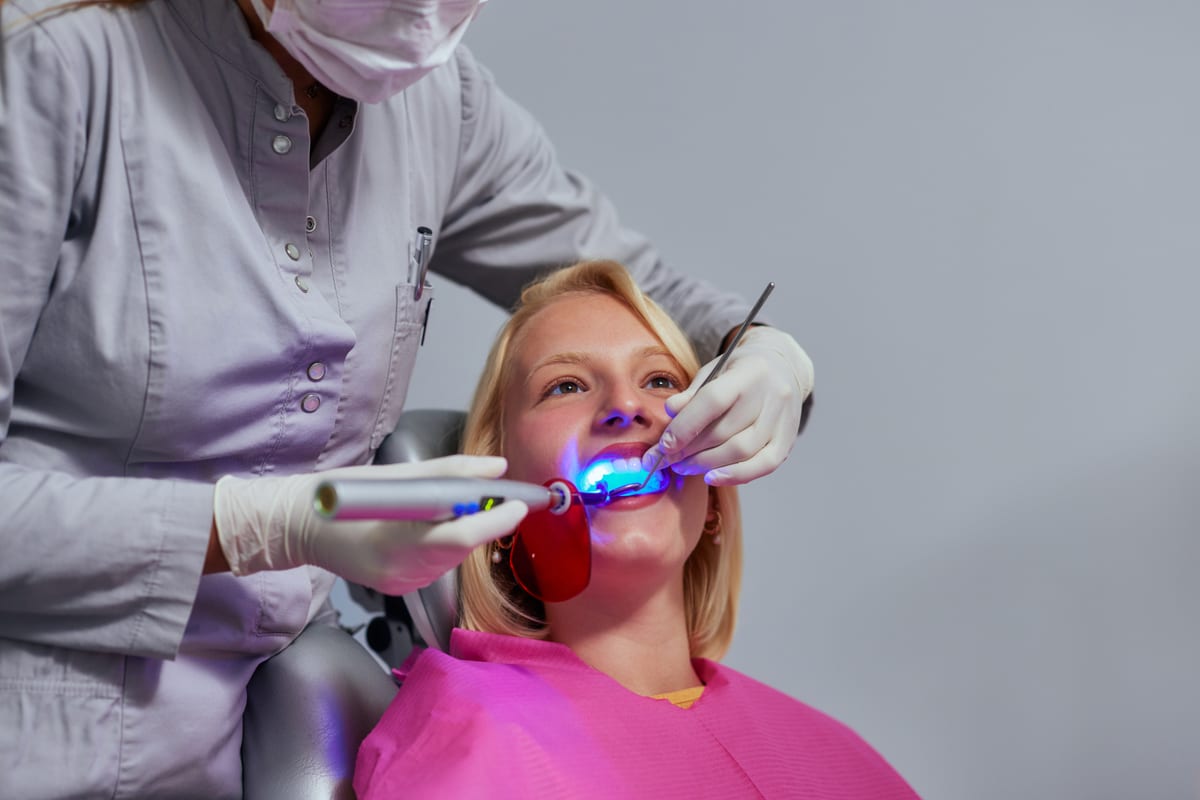
Invisalign attachments are one of the most misunderstood parts of treatment. Many patients are surprised when Dr. Miro mentions them at the start of their plan. Attachments are small, tooth-colored dots bonded directly to specific teeth. They look like tiny bumps and are made from composite resin — the same material used in tooth-colored fillings.
Attachments give the aligner something to grip. Without them, the smooth plastic tray can only push teeth in simple directions. With attachments, the aligner can apply rotational, vertical, and angular forces. This dramatically expands what Invisalign can accomplish.
Common reasons Dr. Miro places attachments include:
- Rotating a tooth that has twisted out of alignment
- Extruding or intruding a tooth vertically in the arch
- Tipping a tooth to close a gap more precisely
- Anchoring certain teeth so others can move freely around them
Attachments are placed in a single appointment and cause no discomfort. They blend in with your natural enamel and are removed completely when treatment ends. Most patients stop noticing them within a few days.
Understanding the Aligner Change Schedule in Pembroke Pines
One of the most common questions Dr. Miro hears is: how often do I change my aligners? The standard schedule is every seven to fourteen days. Your specific timeline depends on your treatment plan and how quickly your teeth respond.
Changing aligners too soon can undermine progress. Changing them too late can slow your overall timeline. Dr. Miro will give you a clear schedule and explain exactly when to move to the next tray.
Here is what to expect with each new aligner:
The first day or two may feel tight. That tightness is a sign the aligner is working — it means the tray is applying pressure to move teeth. By day three or four, most patients feel comfortable again. By the end of the wear period, the aligner fits loosely. That looseness signals your teeth have moved into the planned position and it is time to switch.
Wearing your aligners for 20 to 22 hours per day is essential. Skipping wear time stalls tooth movement. Pembroke Pines patients who stay consistent with their schedule complete treatment on or ahead of schedule.
What Are Refinements and When Do You Need Them?
Refinements are an additional series of aligners created partway through or after your initial treatment. They are more common than most patients expect — and they are not a sign that something went wrong. Teeth are living structures attached to bone. They do not always move in a perfectly predictable way.
Dr. Miro monitors your progress at every check-in appointment. If certain teeth are not tracking as planned, he may recommend refinements to get back on course. Refinements involve new scans, a revised treatment plan, and a new series of trays. The process is straightforward and keeps your final result on target.
Refinements are also used after your main series ends. Some patients finish their initial aligners and want minor adjustments to perfect their result. A short refinement series handles those finishing touches with precision.
Think of refinements as a recalibration tool. They are part of a thorough, well-monitored treatment plan — not a complication.
How Invisalign Compares to Traditional Braces for Complex Cases
Patients in Pembroke Pines often ask whether Invisalign can handle their specific case. The technology has advanced significantly in recent years. Modern Invisalign with precision attachments can treat many of the same issues as traditional braces. These include crowding, spacing, overbite, underbite, and crossbite.
For certain complex cases, Dr. Miro may discuss whether Invisalign alone is the best path. Transparency and honest guidance are central to his approach. He will never recommend a treatment that does not match your clinical needs.
Patients who choose Invisalign at Miro Dental Centers benefit from the full support of a comprehensive dental practice. If other treatments arise during your care — such as Root Canals or restorative work — Dr. Miro coordinates everything under one roof. For families, the practice also offers Pediatric Treatment Education so younger patients understand their dental care from an early age.
Conclusion: Knowing Your Treatment Means Better Results
Understanding how Invisalign attachments and refinements work puts you in the driver’s seat. When you know why your tray feels tight, why attachments are placed, and what refinements accomplish, you stay motivated and consistent. Consistency is what produces the smile you are working toward.
Dr. Claudio Miro and the team at Miro Dental Centers of Hollywood serve patients throughout the Pembroke Pines area with personalized, educational Invisalign care. Every treatment plan is built around your unique anatomy and goals. Book Now to schedule your appointment with our team.
Frequently Asked Questions
Do Invisalign attachments hurt to place or remove?
No. Placing attachments is painless and takes only a few minutes per tooth. Dr. Miro bonds them with a safe composite resin using no injections or drilling. Removing them at the end of treatment is equally comfortable and leaves your enamel intact.
How many aligners will I go through during treatment?
The total number of aligners varies by case. Mild corrections may require 15 to 25 trays. More complex cases can involve 40 or more. Dr. Miro will show you your projected treatment simulation so you know what to expect before you begin.
Can I skip a tray in my series if I lose one?
No — skipping a tray in your series is not recommended. Each aligner builds on the movement from the one before it. If you lose a tray, contact Miro Dental Centers right away. Dr. Miro will advise you on whether to go back to the previous tray or move forward based on where you are in your plan.
Will I always need refinements at the end of Invisalign treatment?
Not always, but many patients do benefit from a short refinement series. Refinements are a normal and expected part of thorough Invisalign care. They allow Dr. Miro to fine-tune your result and ensure every tooth lands in its ideal final position.
How do attachments affect the appearance of my aligners?
Attachments add very small bumps to your teeth that are visible up close. They are tooth-colored and blend with enamel well. Most people notice them only when looking carefully. They are far less visible than traditional metal brackets and do not compromise the discreet look that makes Invisalign popular.