We are not a registered Medicaid Provider

What Coral Gables Patients Should Know Before Getting a Dental Bridge



Missing a tooth can do more than leave you lacking a smile. A missing tooth, whether due to injury, decay, or another dental condition, can affect your ability to speak and chew food properly as well as your self-confidence. Fortunately, dental bridges are an option for replacing lost teeth.
One of the most common restorative dental procedures, a fixed partial denture, bridges the gap created by one or more missing teeth. These fixed dental bridges are specifically developed to make sure that they not only occupy the gap due to missing teeth but also support your natural smile appearance. Although this process is incredibly effective, it’s vital to understand what to expect and how exactly it works before making an informed decision.
What Is A Dental Bridge?
A dental bridge is a fixed prosthesis that can replace one or more lost teeth by attaching to the adjacent teeth. It is a false tooth (or teeth) held in place by crowns on the adjacent natural teeth or dental implants. This specific process offers a stable treatment for lost teeth, eliminates the risk of surrounding teeth shifting, and preserves your bite alignment and overall function.
If you are evaluating your options for replacing one or more missing teeth, a dental bridge offers many advantages. It also helps restore chewing and speaking functions, prevents the remaining teeth from shifting, and enhances your facial structure. The treatment is minimally invasive and provides long-lasting results, which makes it one of the more popular options among Coral Gables patients.
Why Choose a Dental Bridge?
There are many methods of tooth replacement, but fixed partial dentures strike a balance between function and aesthetics. Combining replacement teeth with crowns, dental bridges in Coral Gables is a great way to restore comfort and confidence for patients.
Bridges are an option for those who may not be eligible for implants or wish to use conventional treatments. A fixed dental bridge can restore one or more teeth and help prevent the surrounding teeth from moving. This is also a perfect solution for those who desire to retain their smile and stay clear of an additional dental-related issues.
The Benefits of Dental Bridges
Bridges offer several advantages for individuals with missing teeth. They help to:
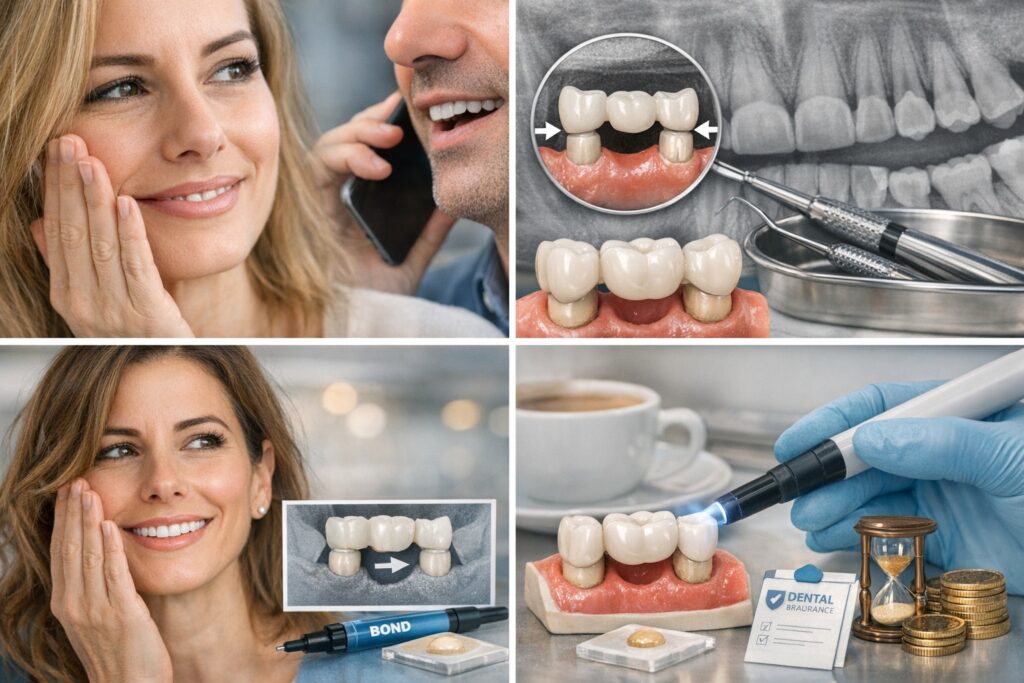
- Eat and speak comfortably: A bridge allows for the same ease of chewing and speaking as in your natural teeth.
- Prevent tooth movement: Missing teeth can cause adjacent teeth to migrate into the gap, leading to misalignment. A fixed partial denture prevents this.
- Enhance your smile: You’ll enjoy symmetry in your bite and smile, so you’ll be happy to show off your smile with a bridge.
- Long-lasting: With proper maintenance, fixed partial dentures offer long-term durability and reliability.
What To Expect in the Dental Bridge Process
Getting a dental bridge procedure is simple, but it requires multiple visits. Here’s a step-by-step overview of what to expect during the process:
- Initial Assessment: Your dentist will examine the health of your adjacent teeth and gums to ensure they are strong enough to support the bridge.
- Preparation of Neighboring Teeth: Some removal of the adjacent teeth is performed to create space for the crowns to be placed on either side, anchoring the bridge in position.
- Taking Impressions: After your teeth are prepared, detailed impressions of your mouth will be taken so a custom-made bridge can be fabricated to match your remaining natural teeth.
- Temporary Bridge: In some cases, while your permanent bridge is being created, a temporary bridge will be placed.
- Main Bridge Placement: You’ll receive your final bridge, which is then inserted, adjusted as needed for ease of use, and confirmed to be in the right place; once that’s done, cement will be used to set it permanently.
With proper care, your new fixed partial denture will restore the appearance and function of your smile.
Dental Bridges Aftercare
Keeping a dental bridge healthy is important for prolonging its lifespan and maintaining oral health. Following the placement of a fixed partial denture, ensuring adequate aftercare is critical to avoid complications such as pain or damage to the prosthesis.
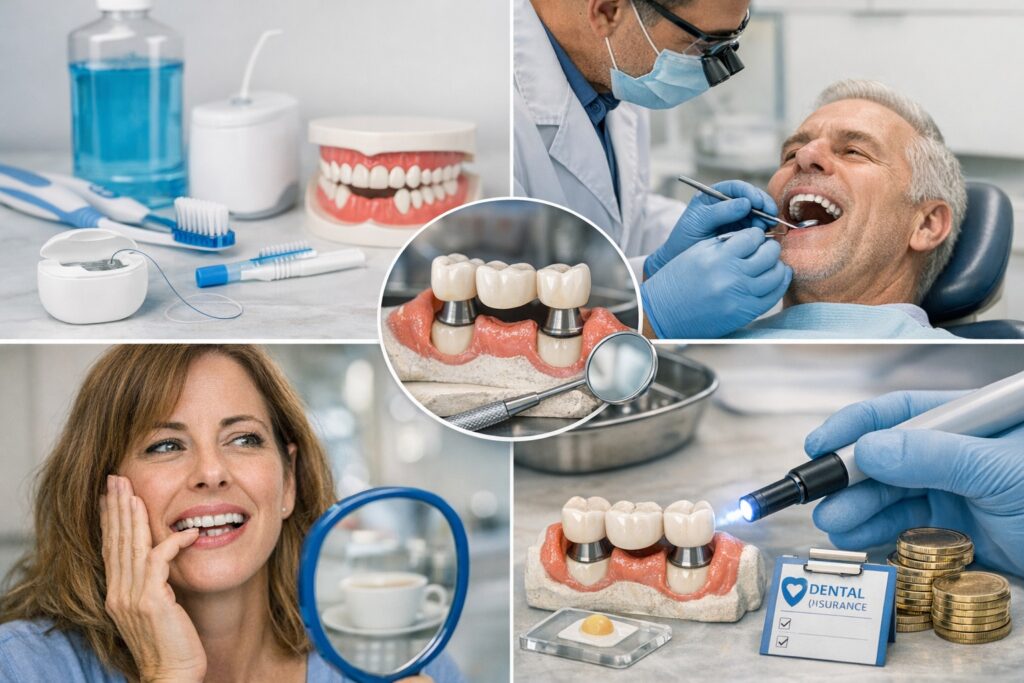
1. Maintain Good Oral Hygiene
You should brush your teeth at least twice a day using a soft-bristle toothbrush with fluoride toothpaste. Near the bridge area, be a little more gentle to ensure you don’t knock it out of place. Also, floss every day using a floss threader or special bridge floss to scrub between your teeth and around the bridge to remove plaque build-up.
2. Regular Dental Checkups
See your dentist for regular checkups and cleanings. This enables your dentist to keep an eye on the state of the bridge and your natural teeth and make sure they are healthy.
3. Watch for Signs of Problems
If you feel discomfort, a loose bridge, or sensitivity, be sure to contact your dentist immediately. Avoid hard or sticky foods, which could break or dislodge the bridge.
4. Avoid Grinding or Clenching
If you grind or clench your teeth, ask your dentist about getting a nightguard to protect the bridge from wear and tear.
If you follow these aftercare instructions, your fixed partial denture can deliver amazing benefits for multiple years to come.
Restore Your Smile with a Dental Bridge
If you have a missing tooth, a dental bridge might be the ideal solution to help restore your smile and oral health. At Miro Dental Centers, you can seek personalized care to ensure your bridge fits seamlessly and looks true to life. From initial consultation to long-term maintenance, our team will walk you through the entire process.
A missing tooth can affect your confidence and your other teeth’s ability to function comfortably. Call us today for a consultation and find out how a dental bridge can improve your smile and quality of life! Together, we can restore your healthy and beautiful smile!
Questions People Ask About Dental Bridges
1. How long does a dental bridge last?
A dental bridge can last anywhere from 5 to 15 years, depending on how well you care for it. Regular dental check-ups, proper oral hygiene, and avoiding excessive pressure on the bridge can help prolong its lifespan.
2. Is getting a dental bridge painful?
The process of getting a dental bridge is typically not painful. Local anesthesia is used during the procedure to ensure comfort, and any mild discomfort afterward can be managed with over-the-counter pain relievers.
3. Can I eat normally with a dental bridge?
Yes, once your dental bridge is fully in place, you can eat and speak normally. It may take some time to adjust, but the bridge is designed to restore the function of your teeth.
4. Are dental bridges suitable for front teeth?
Yes, dental bridges are commonly used for front teeth, especially when the missing tooth is visible. Your dentist will ensure that the bridge matches the color and appearance of your natural teeth.
5. How do I care for my dental bridge?
To care for your dental bridge, brush twice a day, floss daily, and use special tools to clean around the bridge. Regular dental visits are also crucial to ensure the bridge stays in good condition.
6. Can a dental bridge be replaced if it gets damaged?
Yes, if a dental bridge becomes damaged or loose, it can be replaced. It’s important to visit your dentist as soon as possible if you feel any issues with your bridge.