We are not a registered Medicaid Provider

What Are the Most Common Complications after Dental Implant Surgery?


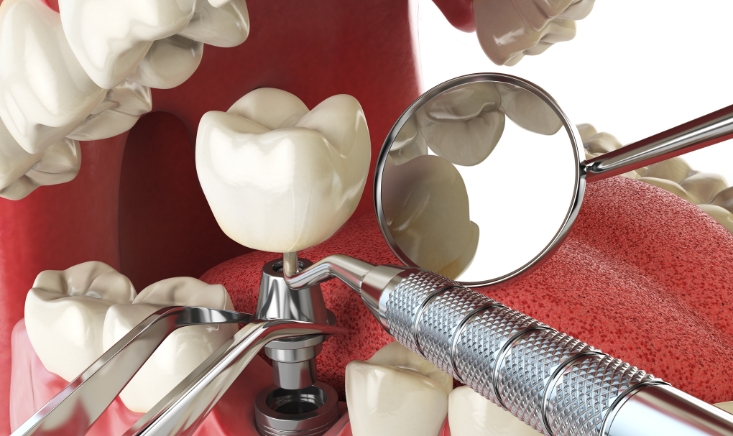
Dental implant surgery sounds straightforward. However, there may be surprises hidden beneath the surface. Most believe this surgery assures success. It is to be stated that most of the time, that’s the case. However, occasionally, the scenario becomes different.
Despite the best dentist, dental implant surgery can harbor unsuspected risks. Ever been curious what can go wrong during this surgery? Let’s get into it.
Fact is, dental implant surgery is likely to go smoothly. Complications are rare, but they can occur. If you Ignore the complications, it cannot be a good plan. Awareness significantly aids recovery. If you have knowledge of risks involved in dental implant surgery, it can result in wiser decisions.
Keep in mind that small complications can happen after this surgery. However, their consequences can become enormous.
Common Complications After Dental Implant Surgery
You Can Get Infection of the Implant Site
Infection occurs when bacteria penetrate during or after dental implant surgery. Smoking and poor oral hygiene are likely to cause these infections. You must check for swelling, redness, pain, or discharge around the implant. To avoid infection, cosider adhering to your dentist’s cleaning regimen and have follow-ups.
Implant Failure or Rejection Can Happen
Failure can be early, within weeks, or late, even years after surgery. Smoking, poor bone quality, and some health conditions, such as diabetes, enhance the risk of failure after getting dental implants Coral Gables. If an implant fails, it can loosen, fall out, or be painful. Your dentist could suggest replacement after healing or further bone grafting.
You Can Get Nerve Damage
Occasionally, implants which are too close to nerves can damage them. Tingling, numbness, or pain in the jaw, tongue, or lips occur. Mild cases can recover with time. However, serious cases require surgical treatment. Your dentist must utilize 3D imaging to prevent this for dental implant surgery.
You Can Get Sinus Problems (Upper Jaw Implants)
Upper jaw implants may inadvertently reach the sinus cavity. This can lead to sinus infection, pressure, or headache. Treatment involves sinus lifting before surgery or extracting the misplaced implant.
Peri-Implantitis Can Take Place
This is a gum-like inflammatory disease around the implant.The main causes are poor oral health, smoking, or undiagnosed gum disease. Symptoms include bleeding gums, swollen, or bone loss around the implant. Dentists treat these using deep cleaning, antibiotics, or surgery in bad cases.
Risk Factors that Increase the Chance of Complications
Smoking inhibits blood flow and also hinders healing after the surgery. Diabetes and chronic diseases compromise the immune system and increase the risk of infection. Low bone density can’t effectively bear implants and cause higher failure rates.
If you ignore brushing every day or fail to go to the dentist for checkups, it invites bacteria and plaque accumulation. These risks don’t prevent you from getting implants, only that caution is essential.
Tips for Minimizing Risk and Favoring Healing
You must always adhere to post-operative care after the surgery. Consider brushing lightly, apply prescribed rinses, and leave the surgery site undisturbed. You must keep to regular dentist follow-ups to watch for healing and early symptoms.
Furthermore, you have to stop smoking both before and after surgery for greater long-term success. Strong bones and optimal implant results can get secured from a healthy lifestyle.
Discuss freely with our dental professionals your concerns or post-surgical symptoms. Staying proactive significantly protects your smile and boosts your implant’s lifespan.
Choose wisely, stay informed, and trust in the process. Your healthy smile awaits.