We are not a registered Medicaid Provider

Dental Implants vs Bridges vs Dentures


Dental Implants vs. Bridges vs. Dentures: Which Option Is Right for You?
Losing a tooth can feel overwhelming. Fortunately, modern dentistry offers excellent solutions for tooth replacement. Dental Implants are widely considered the gold standard today. Understanding how they compare to bridges and dentures helps you make a confident, informed decision.
At Miro Dental Centers of Hollywood, our dental team sees patients at every stage of this decision. Whether you are replacing one tooth or several, knowing your options matters. This guide breaks down each treatment clearly and honestly.
What Are Dental Implants?
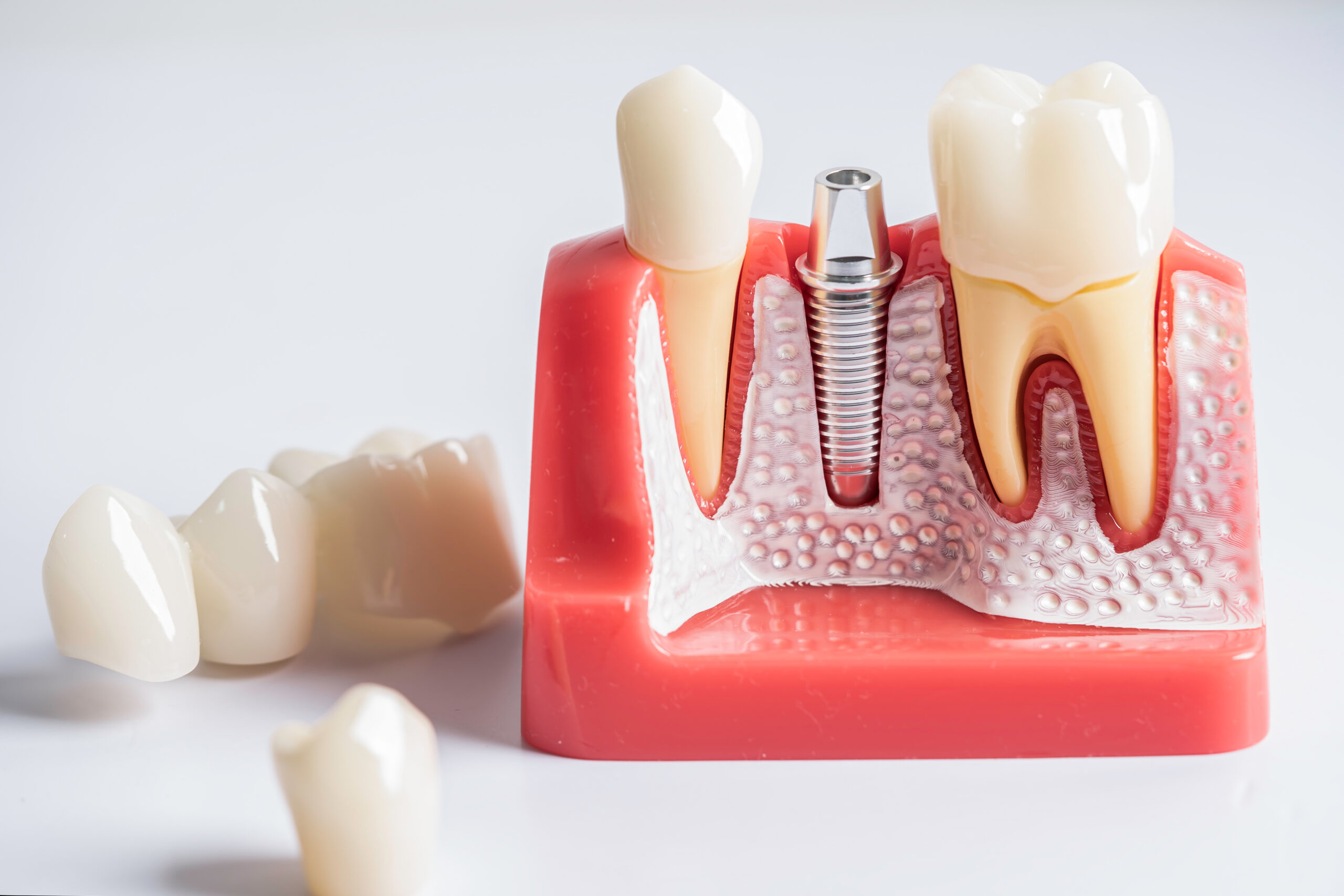
A dental implant is a titanium post placed directly into your jawbone. It acts as an artificial tooth root. Over time, the bone fuses around the post in a process called osseointegration.
Once healed, a natural-looking crown is attached on top. The result looks, feels, and functions like a real tooth. Most patients forget they even have an implant after a short adjustment period.
Implants are designed to last decades with proper care. They do not rely on neighboring teeth for support. This makes them a standalone, long-term solution for missing teeth.
- Pros of Dental Implants:
- Look and feel like natural teeth
- Preserve jawbone density over time
- Do not affect surrounding healthy teeth
- Can last 20+ years with good oral hygiene
- Easy to clean — brush and floss normally
- Cons of Dental Implants:
- Require a surgical procedure
- Healing process takes several months
- Not suitable for patients with significant bone loss without grafting
- Higher upfront cost compared to other options
How Do Dental Bridges Compare to Dental Implants?
A dental bridge fills the gap left by a missing tooth. It anchors to the teeth on either side of the gap. Those anchor teeth, called abutments, are filed down to support the bridge.
Bridges are a non-surgical option. They can be completed in just a few appointments. Many patients choose them when they want a faster solution.
However, bridges do not stimulate the jawbone. Over time, the bone beneath the gap can shrink. This may affect your facial structure and overall oral health.
- Pros of Dental Bridges:
- No surgery required
- Completed in fewer appointments
- Lower upfront cost than implants
- Restores chewing function quickly
- Cons of Dental Bridges:
- Requires altering healthy neighboring teeth
- Does not prevent bone loss in the jaw
- May need replacement after 10–15 years
- Harder to clean underneath the bridge
Our dental team can evaluate whether a bridge is appropriate for your specific situation. Every patient’s mouth is different. A thorough exam helps identify the best path forward.
How Do Dentures Compare to Dental Implants?
Dentures are removable appliances that replace multiple missing teeth. Full dentures replace an entire arch of teeth. Partial dentures replace several teeth while keeping remaining natural teeth intact.
Dentures are a well-established solution with a long history. They are often recommended when multiple teeth are missing. They restore basic chewing ability and facial appearance.
That said, dentures sit on top of the gums and can shift. This movement can cause discomfort during eating or speaking. Many patients also experience bone loss over time with traditional dentures.
- Pros of Dentures:
- Replace multiple teeth at once
- No surgical procedure required
- Removable for easy cleaning
- Lower initial cost
- Cons of Dentures:
- Can slip or feel unstable while eating
- Do not prevent jawbone loss
- May require adhesives for fit
- Require periodic refitting as bone changes
- Can affect speech initially
Implant-supported dentures are a popular middle ground. They use a few implants to anchor the denture securely. This reduces slipping and helps preserve bone structure.
How to Decide Between These Tooth Replacement Options
The best option depends on several personal factors. Your overall health, bone density, and number of missing teeth all matter. Budget and timeline also play a role in the decision.
Dental Implants are ideal for patients who want a permanent, low-maintenance solution. They work especially well for replacing one or two teeth. Patients with good bone density are often the strongest candidates.
Bridges work well when adjacent teeth already need crowns. They offer a faster, non-surgical path to restoration. However, the long-term impact on neighboring teeth is worth considering carefully.
Dentures are often best for patients missing most or all of their teeth. They provide a functional, affordable starting point. Patients can also explore implant-supported options later for added stability.
Late spring is a popular time for cosmetic dental consultations at Miro Dental Centers of Hollywood. With graduation season in full swing, many patients want a confident, healthy smile for photos and celebrations. Whether you are a graduate or a proud parent, this is a great time to explore your options.
Our dental team uses digital imaging and thorough exams to guide each recommendation. We take the time to explain every option clearly. Visit our services page to learn more about what we offer.
What to Expect at Your Consultation
Your first step is a comprehensive dental exam. Our team reviews your medical history and takes X-rays. We assess your bone density and the condition of surrounding teeth.
From there, we walk you through your options in plain language. There is no pressure and no rush. Our goal is to make sure you feel fully informed before making any decisions.
We also discuss timelines and what each procedure involves step by step. Many patients feel relieved once they understand the full picture. Knowledge is one of the most powerful tools in dental care.
If you are ready to explore tooth replacement, we are here to help. Learn More about how we can help you.
Frequently Asked Questions
Are Dental Implants painful to get?
Most patients report minimal discomfort during the implant procedure. Local anesthesia is used throughout the placement. Some soreness after the procedure is normal and typically manageable with over-the-counter pain relief.
How long do Dental Implants last?
With proper oral hygiene and regular dental visits, implants can last 20 years or more. The crown on top may need replacement after 10–15 years due to normal wear. The implant post itself is designed to be a permanent fixture.
Can anyone get Dental Implants?
Most healthy adults are good candidates for implants. Patients with significant bone loss may need a bone graft first. Our dental team evaluates each patient individually to determine the best approach.
What is the difference between implants and implant-supported dentures?
Traditional implants replace individual teeth with a single post and crown. Implant-supported dentures use a few strategically placed implants to anchor a full arch of teeth. They offer more stability than conventional removable dentures.
How do I care for a dental bridge?
Bridges require regular brushing and flossing, including under the bridge itself. Special floss threaders or water flossers can help clean underneath. Routine dental checkups are important to monitor the health of the abutment teeth.