We are not a registered Medicaid Provider



SOCKET PRESERVATION
Bone grafting, also known as regenerative surgery, is a procedure that can help restore bone and supporting tissues lost due to periodontitis. If you are experiencing bone loss around your teeth from periodontitis, Dr. Miro may suggest a bone graft to avoid extractions.
The goal of bone grafting is to encourage the body's natural ability to rebuild bone and the structures that support teeth in the jaw. During the procedure, the gums will be separated from the teeth to access the roots and underlying bone. The roots will be cleaned, and any empty spaces in the bone will be filled with a graft material, often using your own bone.
After the grafting procedure is finished, Dr. Miro will realign the gums and sew them back together. Over the next few months, the grafted material will be stimulated to grow, ultimately restoring the lost bone and soft tissue.

BONE GRAFT WITH IMMEDIATE IMPLANT PLACEMENT
Bone grafting with immediate implant placement is a dental procedure that improves bone volume and density in areas affected by tooth loss or deterioration. This process includes evaluating bone quality through imaging, making an incision, and inserting specialized bone graft material. By placing the dental implant directly into the grafted area, the need for multiple surgeries is minimized. Proper post-procedure care and regular follow-up visits are crucial for a successful recovery. It is essential to consult with a dental professional to determine suitability and address any concerns.
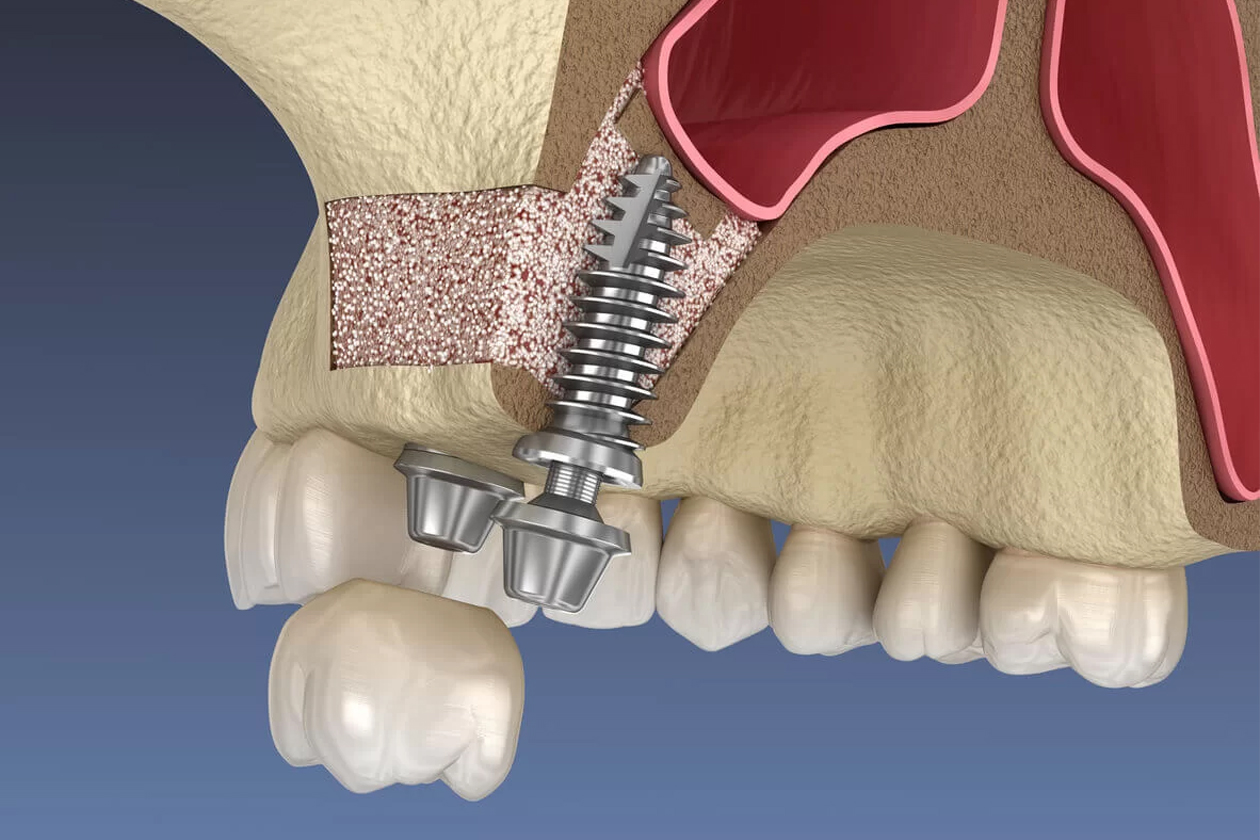
OSTEOTOME SINUS LIFT
The osteotome sinus lift is a dental procedure that enhances bone density and height in the maxillary sinus region to prepare for dental implant placement. The process includes a thorough evaluation, administration of local anesthesia, making an incision, utilizing osteotomes to lift and compact bone, inserting bone graft material, and facilitating bone growth and fusion. It is crucial to adhere to post-procedure care instructions and attend follow-up appointments. While there are potential risks such as infection, sinus issues, and graft rejection, these occurrences are uncommon. It is essential to consult with a dental expert to determine suitability and address any questions or worries.

SINUS LIFT- LATERAL WINDOW
The lateral window sinus lift is a specialized dental procedure that increases bone in the maxillary sinus to support successful dental implant placement. By using X-rays or CT scans, the dentist assesses the bone density and sinus anatomy in the area.
During the procedure, which is done under local anesthesia, the dentist makes a small incision in the gum to access the bone and creates a precise window-shaped opening in the lateral wall of the sinus. The sinus membrane is gently lifted to make space for bone graft material, which can be sourced from the patient or synthetic options, to promote new bone growth.
After the incision is sutured, patients are given specific instructions for post-operative care, including medications and oral hygiene practices. Follow-up appointments are scheduled to monitor healing and determine the timing for implant placement.
Although the procedure is effective, there are rare risks such as infection or sinus complications. It is important to consult with a skilled dentist for a personalized evaluation and to address any concerns before undergoing this procedure.

RIDGE AUGMENTATION
Bone grafting is used for ridge augmentation to restore the natural shape of gums and jaw after tooth loss. It's important for proper support of restorations or implants. Ridge augmentation fills in indented areas for a smooth gum line that blends with your restoration or implant.

OSTEOTOME SINUS LIFT WITH IMPLANT PLACEMENT
The osteotome sinus lift procedure is designed to increase bone volume and density in the maxillary sinus area to improve the success of dental implant placement. This process includes evaluating bone quality and sinus structure, numbing the area with local anesthesia, making an incision, lifting bone into the sinus cavity using osteotomes, placing bone graft material, and allowing for healing and new bone formation. It is crucial to follow post-procedural care instructions and attend regular follow-up appointments. As with any medical procedure, there are potential risks involved, so it is important to seek guidance from a skilled dental professional.